Our First 16 Food Warriors: A Documented Success!

Over the course of the summer, our 16 Food Warriors in Boulder, LA, Michigan, New York, and Seattle have collectively visited over 90 farms and 40 food artisans and documented 125 farmer’s markets through photos, writing, and video!

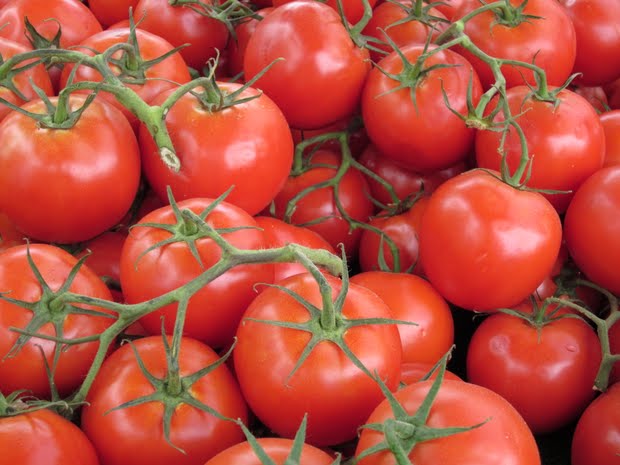
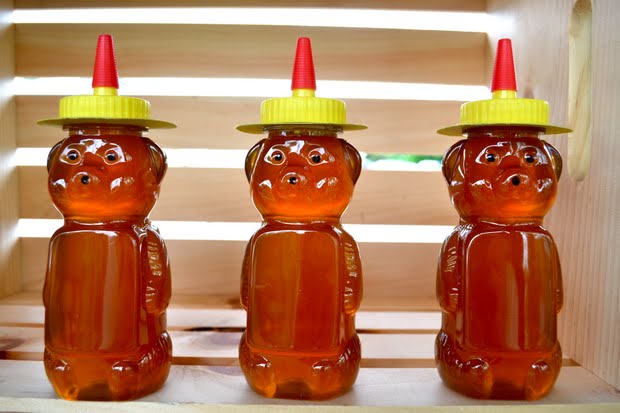
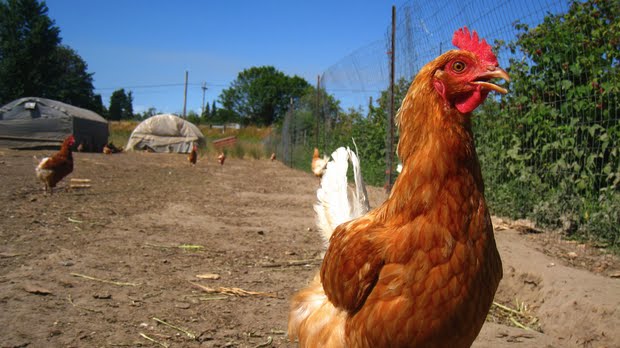
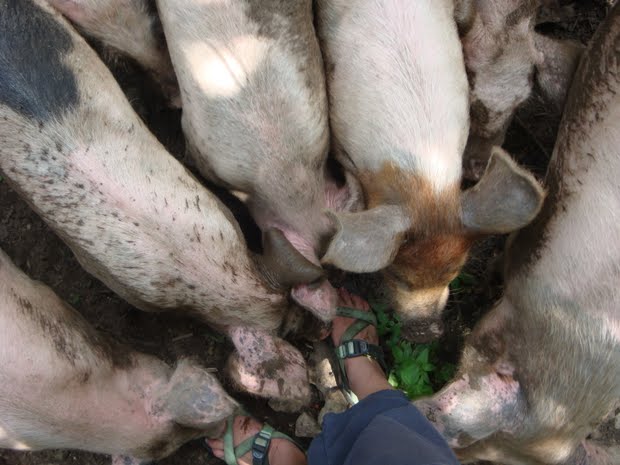
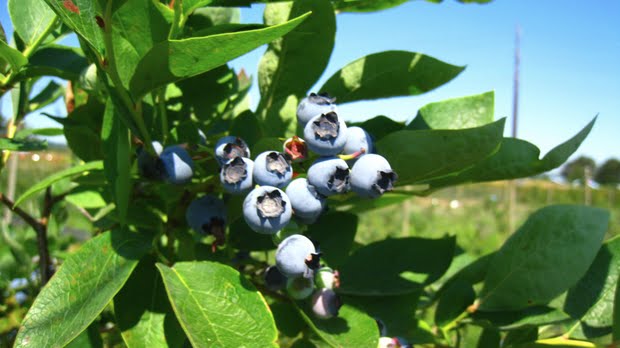
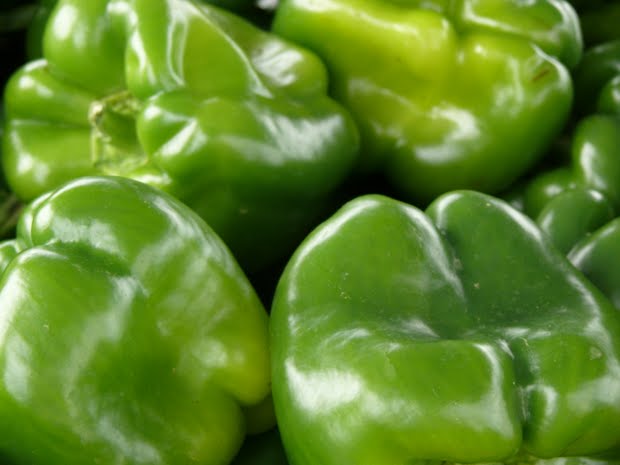
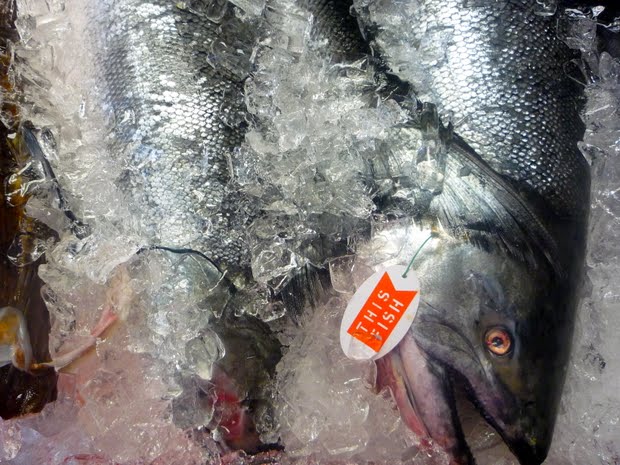
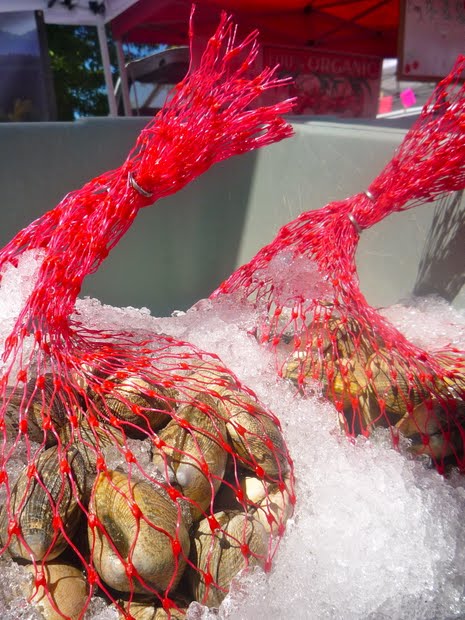
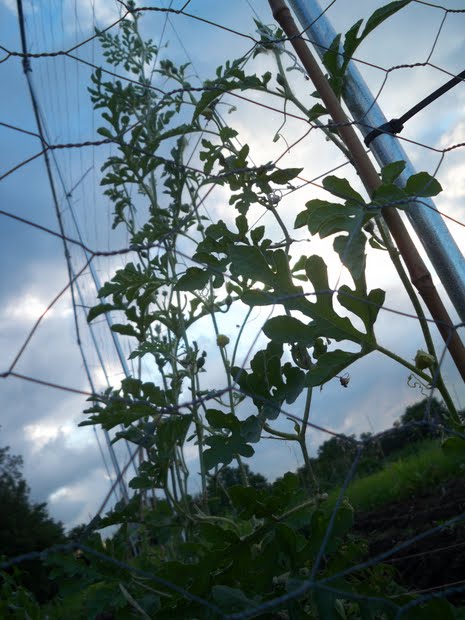
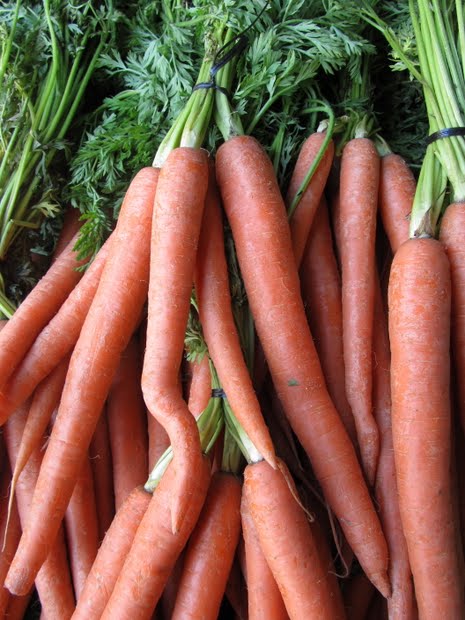
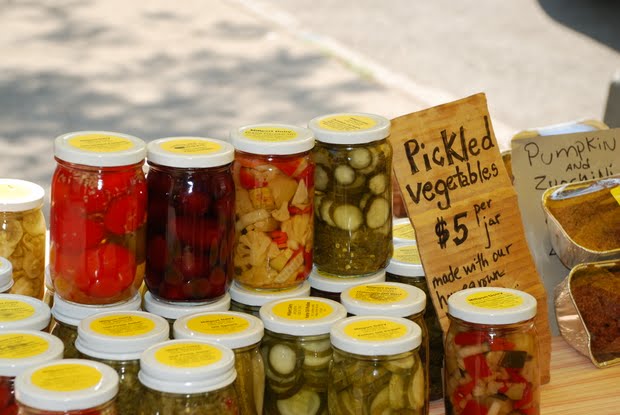
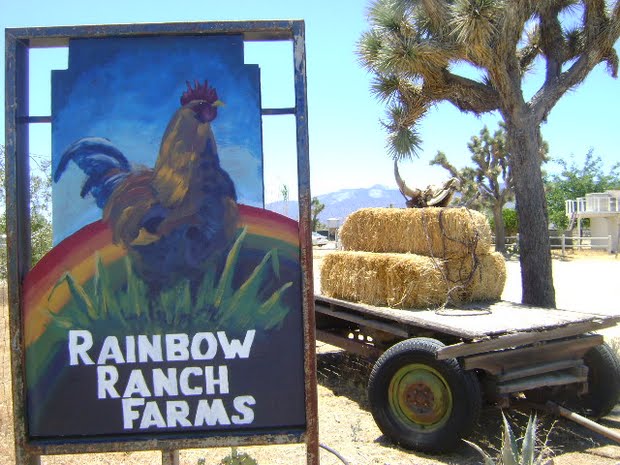
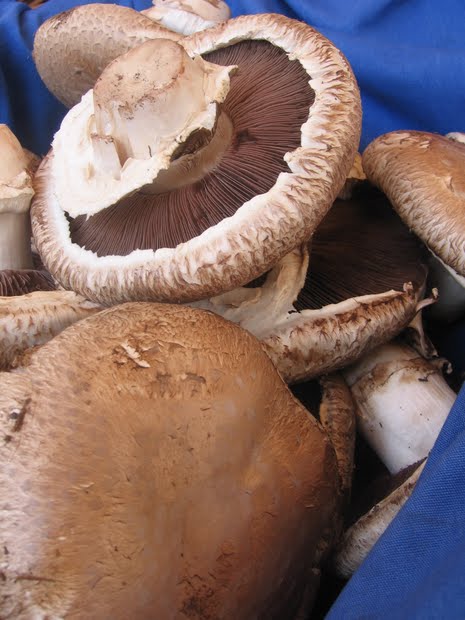
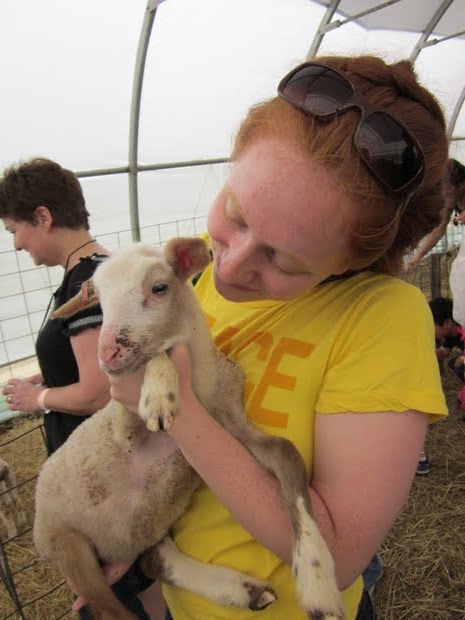
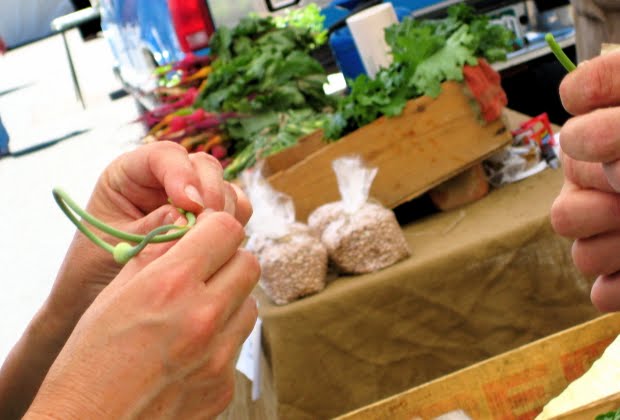
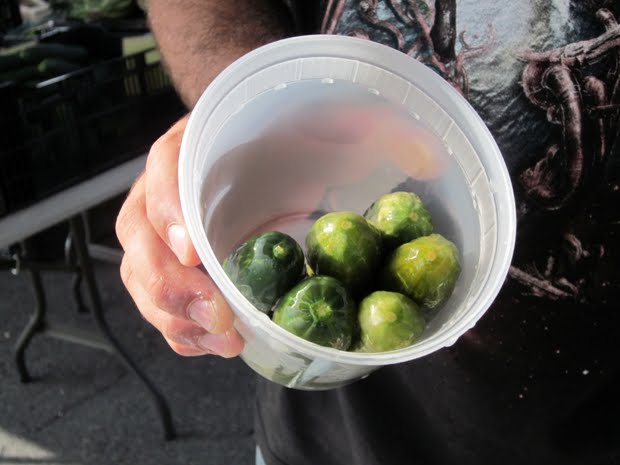
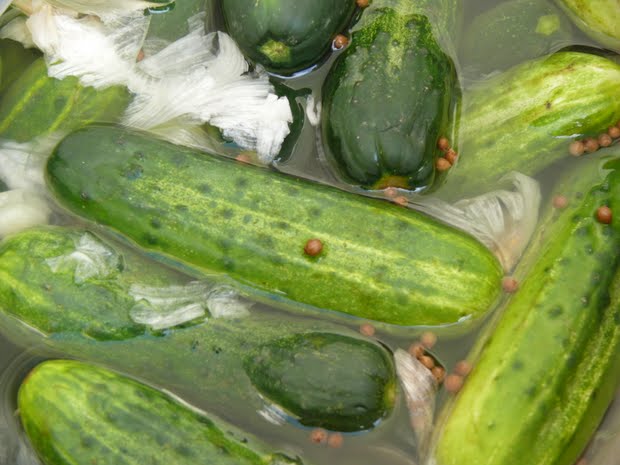
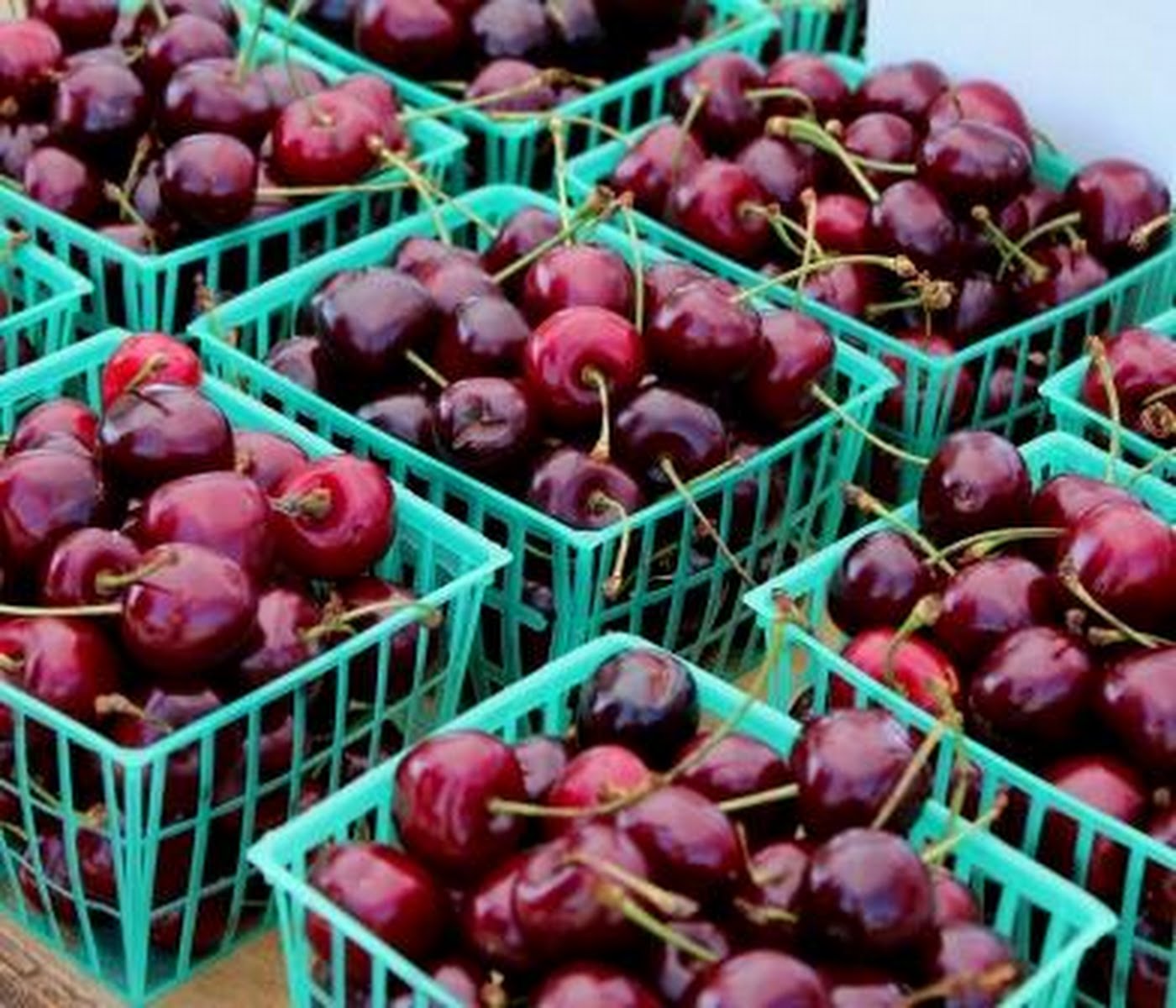
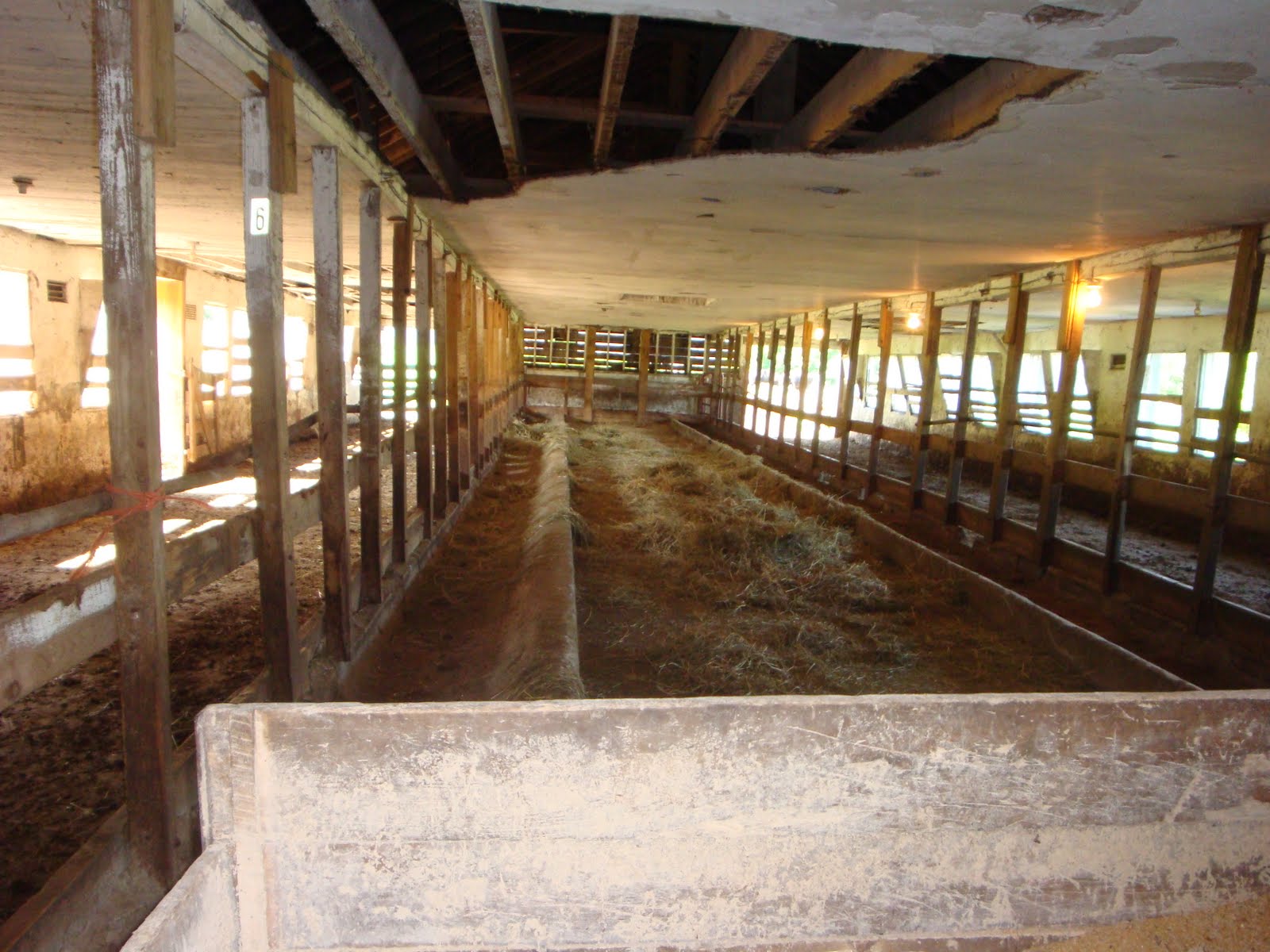
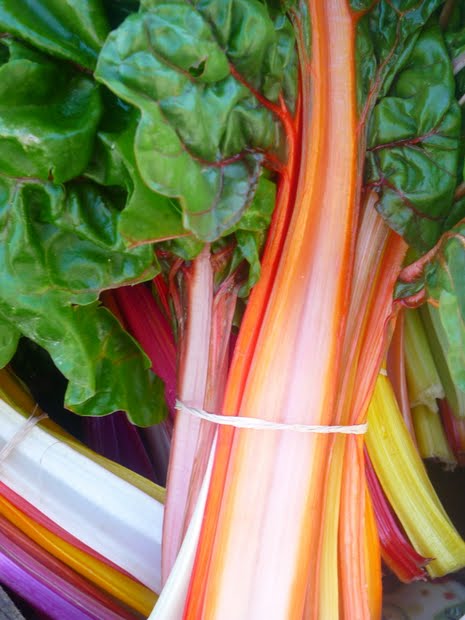
They have contributed 5,092 photos to the site! Here are some of the best:

“By visiting the farmers markets and local farms, I learned things I never would have gotten from a classroom format at any college,” -Susanna Zammit (Riverview, MI)

Food Warriors loved talking with farmers and seeing how enthusiastic many of them are about their work. They enjoyed the opportunity to improve their interviewing, blogging, and photography skills and one Food Warrior even says she will be decorating her apartment this fall with photographs she took during the course of the internship!

“I not only had the chance to learn, see, and share where food comes from in my area, I got to be a part of something big and feel like I was making a difference in food transparency across the entire country!” -Chelsea Burns (Seattle, WA)

Still accepting applications for the fall program! Applications due August 27th.

Stay Fresh,

Lindsay Partridge, Kernel Colonel, Director of the Food Warrior Internship Program

Posted in Food Warrior Interns | Tagged , , , , , , , | 2 Comments

American Farmland Trust Partners with Real Time Farms to Save Farm and Ranch Land

American Farmland Trust and the nationwide food guide, Real Time Farms, have joined forces for this year’s Dine Out for Farms . From October 16th-22nd participating restaurants nationwide will educate diners and raise money to conserve precious farm and ranch land.

Similar to the America’s Favorite Farmers Markets™ contest, the idea for Dine Out for Farms™ came from talking with chefs eager to spread the No Farms, No Food® message. With increasing demand from diners for fresh, local ingredients from local farms, chefs were eager to support the conservation of their local farm and ranch land. They want to see their farm sources stay in business.

In the event’s 2010 inaugural year, 40 restaurants participated, and this year, they aim to double that number.

It was a natural fit for Real Time Farms to partner with American Farmland Trust on this mission. American Farmland Trust aims to conserve farm and ranch land, thereby conserving local farms and local food.

Real Time Farms helps consumers, whether eating in or dining out, trace their food back to the farm it came from enabling them to make educated decisions about the food they eat. Consumers learn all about the farms that form the backbone of our food system, thereby highlighting the necessity of farm and ranch land conservation.

Participate

Show your support for your local farms and educate your diners! Become a participating restaurant!

Jane Kirchner, Senior Director of Marketing and Communications, American Farmland Trust at one of last year’s participating restaurants , The Market Restaurant on Lobster Cove,  in Gloucester MA.

As a participating restaurant, you will receive a host of online and offline promotional tools, as well as the benefit of American Farmland Trust’s and Real Time Farms’ combined press and outreach efforts.

  • A complimentary 3-month subscription to Real Time Farms (a $120 value).
  • A “Friends of Farms” packet: check stuffers, table tents, Friend of Farms lapel stickers, server talking points, save the date flyers, window cling
  • Social media and online advertising tools
  • The satisfaction of educating your diners and saving farmland all in one fell swoop

Your Real Time Farms Subscription

Participate in this year’s Dine Out for Farms™ and you get the chance to show your support in October, as well as the chance to try out Real Time Farms’ set of tools  – which allow you to tell the story of your purveyors and educate consumers year round.

Real Time Farms recently launched a set of tools designed specifically for restaurants to use to easily tell the story of every ingredient. Whether visiting Real Time Farms or the restaurant’s own website, diners can browse a menu, click on an ingredient (e.g “tomato”), see pictures of the tomato in the field, learn how it was grown and who grew it.  Food transparency made simple.

In the 15 weeks since these tools have been available for self sign-up nationwide over 45 restaurants (including nationally acclaimed Zingerman’s RoadhouseFIG RestaurantNorthern Spy Food Co.EquinoxBourbon HouseMelisse, and even The White House) have begun using these tools to tell the story of their ingredients on Real Time Farms and often on their own websites (e.g. Northern Spy Food Co.).

Good for people. Good for you. Good for farms. What could be better?                   ENROLL NOW!

Posted in Messages From the Founders | Tagged , , , , , , | Leave a comment

Café Justo: Coffee for the Community

This post is from one of the 18 interns in the Real Time Farms Food Warrior Summer Internship Program. These interns are collect data, pictures, and video on the growing practices of our nation’s farms, collect food artisans’ stories, and document farmers markets. We all deserve to know where our food comes from!

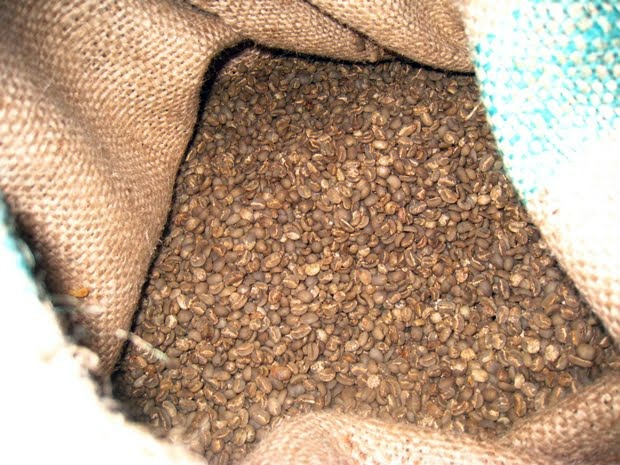
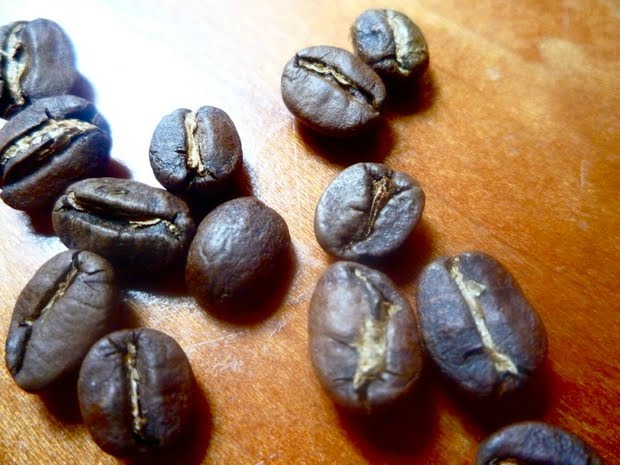
Café Justo is a small coffee grower cooperative based in Salvador Urbina, Chiapas, Mexico. What makes this cooperative unique is their certification of “Fair Trade Plus.” Similar to standard Fair Trade, Fair Trade Plus strives to improve the relationship between coffee growers and their customers. But what exactly merits the extra “plus” in Fair Trade Plus? In short, Fair Trade Plus requires a path to market that cuts out the middle man. Typically, when raw coffee beans are imported to the U.S., the companies that roast and market the beans (the intermediaries) receive the bulk of the profits from the final sale. Instead, Café Justo is entirely grower-owned. This means that the beans are grown, harvested, roasted, and distributed by the same hands. With Fair Trade Plus, the profits are returned to the growers.

During this past March, I had the opportunity to meet with a representative from Café Justo, and to learn about how the cooperative got started. I was staying in Tucson with a group of Santa Clara University students to learn about Arizona-Mexico border issues. We learned that Café Justo was a response to a series of events. During the World Coffee Crisis of the early 90’s, the price of coffee fell dramatically. This was especially harmful for Mexico’s economy, since coffee is one of the nation’s largest exports.  As a result, the small coffee growers were no longer receiving livable wages, and many abandoned their fields.  Fair Trade worked to alleviate this, and ensured that the growers receive a fair price for what they produce. Café Justo decided to take this idea even further, and was formed in 2003 with the informal certification of Fair Trade Plus. They envisioned a system that controlled the coffee from the field to the cup, so the growers had complete control over their business.

Ideally, the coffee growers would be able to sell their product directly to restaurants and other consumers. Realistically, this is impractical for the growers. Café Justo provides the capital, marketing, transportation, machinery, and packaging that is necessary to manage the business. In turn, Café Justo opens the growers’ products to a larger market, and allows the growers can concentrate on what they do best. Since Café Justo works directly with the co-op members, there is no need for a middle man. As a result of more a more direct path to market, some growers improved their earnings from around $35 per sack of coffee to around $130 per sack.

Along with returning profits to the growers, there are numerous other benefits of the co-op. Café Justo is now able to provide healthcare for its members and their families.  They also installed a public water purification system for Salvador Urbina. Most importantly, Café Justo creates an incentive for the growers to keep their land. Through providing stability to the coffee-growing way of life, the growers are able to stay in their home country of Mexico.

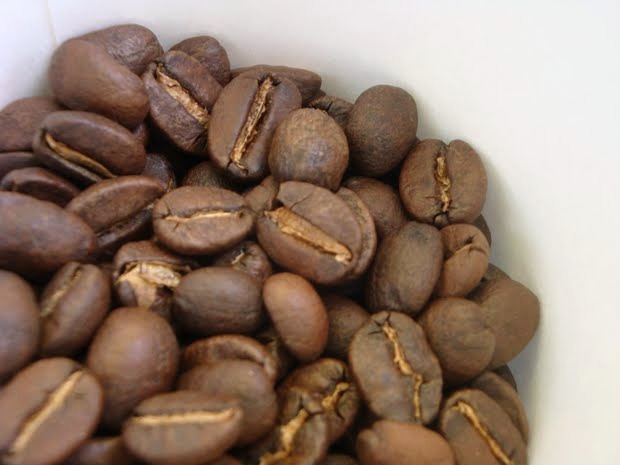
Café Justo’s coffee is USDA certified organic, and is grown without the use of sprays, pesticides, or herbicides. The beans are shade-grown in the fertile soil along the side of the volcano of Tacaná. The beans are then sun-dried on patios. Since they are grown under ideal conditions, the coffee plants actually improve the soil’s quality after each growing season. The beans are harvested and cleaned in Salvador Urbina, Chiapas. After being transported to Agua Prieta, Sonora, the coffee is roasted, ground and packaged for shipment.

Café Justo is the union of a social mission and a profitable business. And did I mention it tastes good? I had a chance to try the Arabica, and it was delicious. When you purchase their products, you not only know where the coffee is coming from, but where your dollar is going.

David Beezer
Summer 2011 Seattle Food Warrior

Posted in Food Warrior Interns, In the Pantry (food artisans) | Tagged , , , , , , , | Leave a comment

Doubled The Farmers Markets, Doubled the Fun: 6764 Farmers Markets on Real Time Farms

3185 farmers markets were just added to Real Time Farms this week.

The USDA released 2011 farmers market data for public use on Data.gov. (Thanks USDA!) Co-founder, Karl Rosaen, spent the past few days, 16 hours yesterday alone, geocoding, writing scripts, sorting, sifting….all that data geek magic, to import 3185 new farmers market to Real Time Farms.

There are now 6764 markets on Real Time Farms. Check it out for yourself !

The Real Time Farms Team

Posted in Messages From the Founders | Tagged , , , , , , , | Leave a comment

The Importance of Biodiversity and Seed Preservation

This post is from one of the 18 interns in the Real Time Farms Food Warrior Summer Internship Program. These interns are collecting data, pictures, and video on the growing practices of our nation’s farms, collecting food artisans’ stories, and documenting farmers markets. We all deserve to know where our food comes from!

Growing up in the middle of an urban metropolis, I never thought much about farming.  I never pondered the work it takes to bring a plant from seed to harvest, and especially never considered where farmers get their seeds to plant.  Now, years later and much more connected to my food and food sources, I am finally able to grasp the convoluted relationship and tension between seed and policy—between human ability and will.

The fact is that the diversity of our plants around the globe is endangered, which is bad news for farmers and consumers alike.  With fewer varieties of species and fewer species overall, we are in greater danger of experiencing mass starvation—a concern which is exacerbated by climate change, a condition which is resulting in unpredictable and severe weather worldwide.  Therefore, in order to reduce our threat of extinction, and essentially move some of our eggs to another basket, Norway has taken the initiative to create a seed vault which intends to store the world’s crop species in the event of nuclear or civil war, meteors, climate change, or even the gradual degeneration of land.  Unfortunately, the final threat of land degeneration is proving to become a reality all-too-quickly, brought on largely by massive corporations.

As biotechnology companies began popping up in the 1970’s and 1980’s, traditional, organic farming came under attack.  As these firms wanted farmers’ business, they promoted their own specific seed and shunned the traditional practice of planting many different seeds on their land.  Gradually, farmers began shifting their practices to grow just one variety of crop that has been engineered, or modified, to withstand adversity caused by weeds and pests.  This trend has continued for years and we are now able to see the consequences of monoculture, which include: decreased nutritional quality of GE (genetically engineered) and GMO (genetically modified organism) plants, biotech companies possessing control of food supply and farmers, pests and weeds overtaking crops, and lower crop production.  In fact, a study in the US reveals that “small farms growing a wide range of plants can produce 10 times as much money per acre as big farms growing single crops”.3  These effects have all helped justify the construction of this “Doomsday” Vault, officially called The Svalbard Global Seed Vault.2

The vault, which houses 526,000 unique crop varieties (as of May 2010), may offer you comfort, but the true comfort would be knowing we had no need for it.2  Although it seems we are in a dire situation, there is hope!  People all over the world help to preserve unique seeds, and while some go to the Svalbard Global Seed Vault, some also go to the Seed Savers Exchange, which is a network between farmers supporting biodiversity and seed preservation.1  The owner of Sage Thymes, a small farm in Lakewood, CO, has also dedicated her time and property to saving heirloom and other rare seed varieties, of which she has worked mainly with soybean and tomato seeds so far.  Additionally, vendors at markets sometimes offer seeds of their crops for sale.  The bottom line is that we have dug ourselves into quite a hole, but if we share our knowledge, understand how to get out through increasing biodiversity, and each pitch in a little, we can hopefully one day all forget about the Vault and the comfort it had once provided us.

Julie Tasche

Summer 2011 Boulder Food Warrior

Sources:

  1. Seed Savers Exchange
  2. The Global Crop Diversity Trust: A Foundation for Food Security
  3. Monbiat, George. “Biotech has bamboozled us all.” The Guardian. August 24, 2000.
Posted in Food Transparency (the issues), Food Warrior Interns | Tagged , , , , , , , | 3 Comments

Rediscovering the Art of Making Vietnamese Cured Meat

Today we’re welcoming guest bloggers Oanh Nguyen and Dang Vu. Oanh and Dang founded Rau Om to produce all-natural cured delicacies that are too good to remain so obscure. They maintain a blog where they share their experiments in the kitchen, mostly cooking up traditional and progressive Vietnamese dishes, and they’ll be serving nem chua at the San Francisco Street Food Festival on Saturday August 20th.
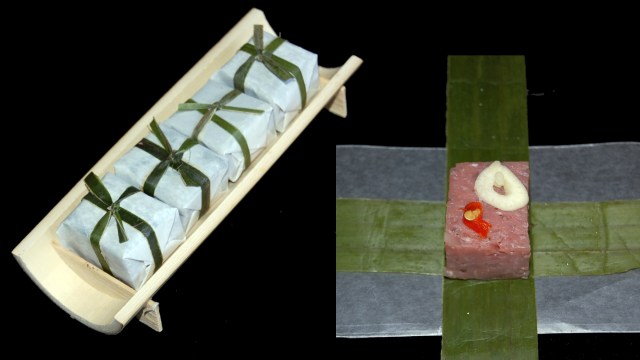
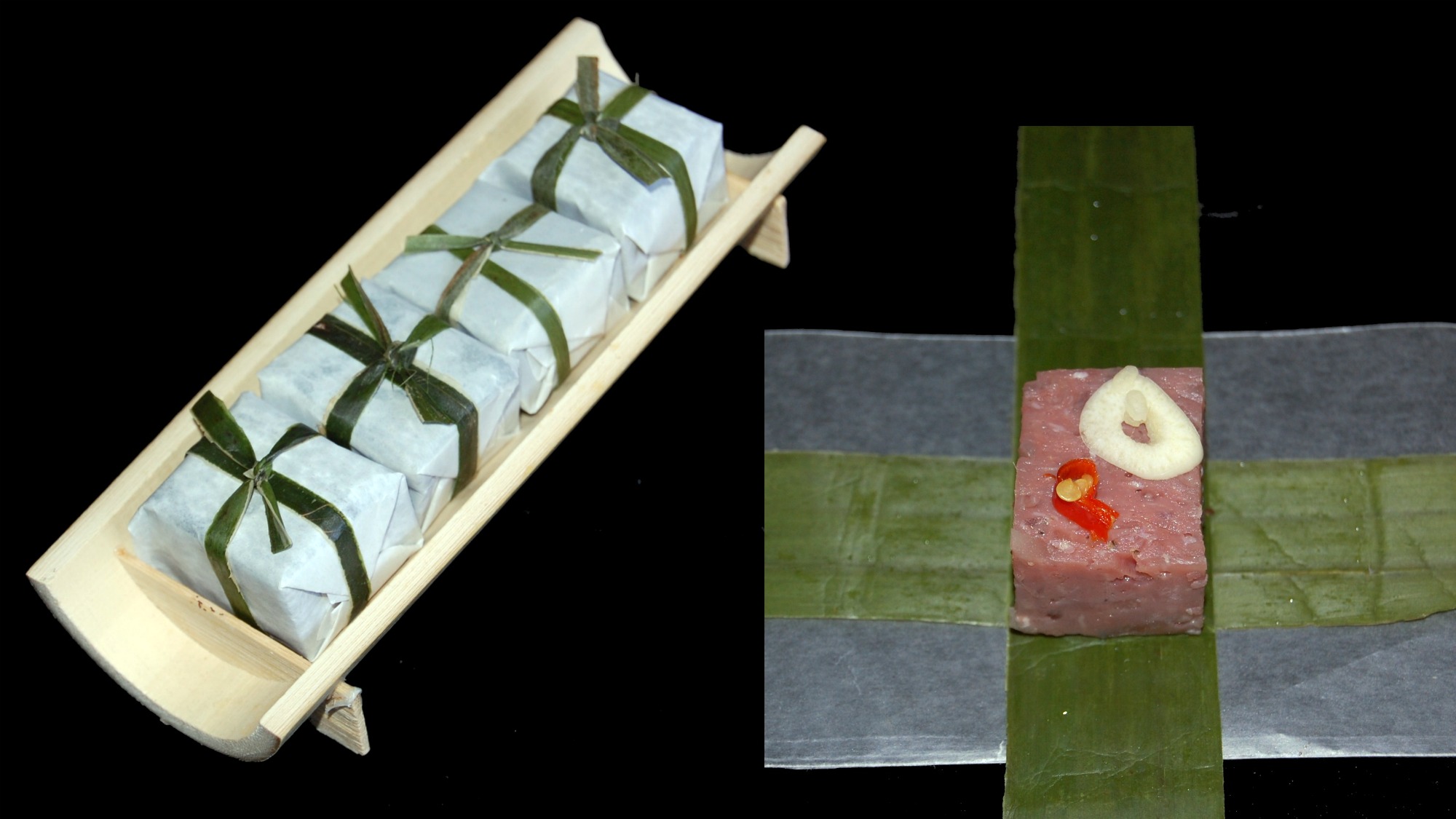
Nem is usually sold in small packages, to be eaten straight or garnished with garlic, chili, and/or Vietnamese coriander.

My partner and I both love nem chua, a popular charcuterie product from Vietnam. When we decided to learn how to make it via traditional, all natural method, we thought surely for such a popular product a recipe could be found easily. Instead we found a striking illustration of how food additives were both a boon but more often a bane to traditional food producers. The additives that simplified nem-making made what was once an artisanal delicacy into an unbranded, generic product. Once chemicals replaced skill, nem increasingly became a caricature of itself, with artificial color, artificial texture, and artificial taste. What was worse, the skill to make nem the traditional way ceased to be transmitted. We’re proud to say though that after much research and experimentation, we eventually found a way to produce nem the all natural way.

Nem chua is the Vietnamese member of a family of Southeast Asian fermented, cured meat whose ingenuity in production and resulting textures and flavors beggar my imagination when I think about its origins. Vietnam lies firmly in the tropics and is therefore traditionally precluded from the slow salt-cured hams of more northerly peoples. Instead, Vietnamese hams needed freshly ground lean meat and a specific combination of spices and processing steps to cure the meat rapidly in the tropical heat. Out of that necessity comes a unique product that is at once snappy and yielding, sweet, savoury and tangy, garlicky, peppery, and can be garnished with chilli and fresh herbs. The scientist in me marvels at the form that exquisitely followed function; the gourmand in me simply cannot get enough of the stuff.
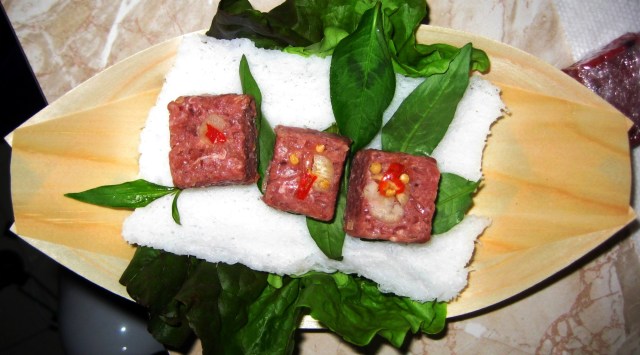
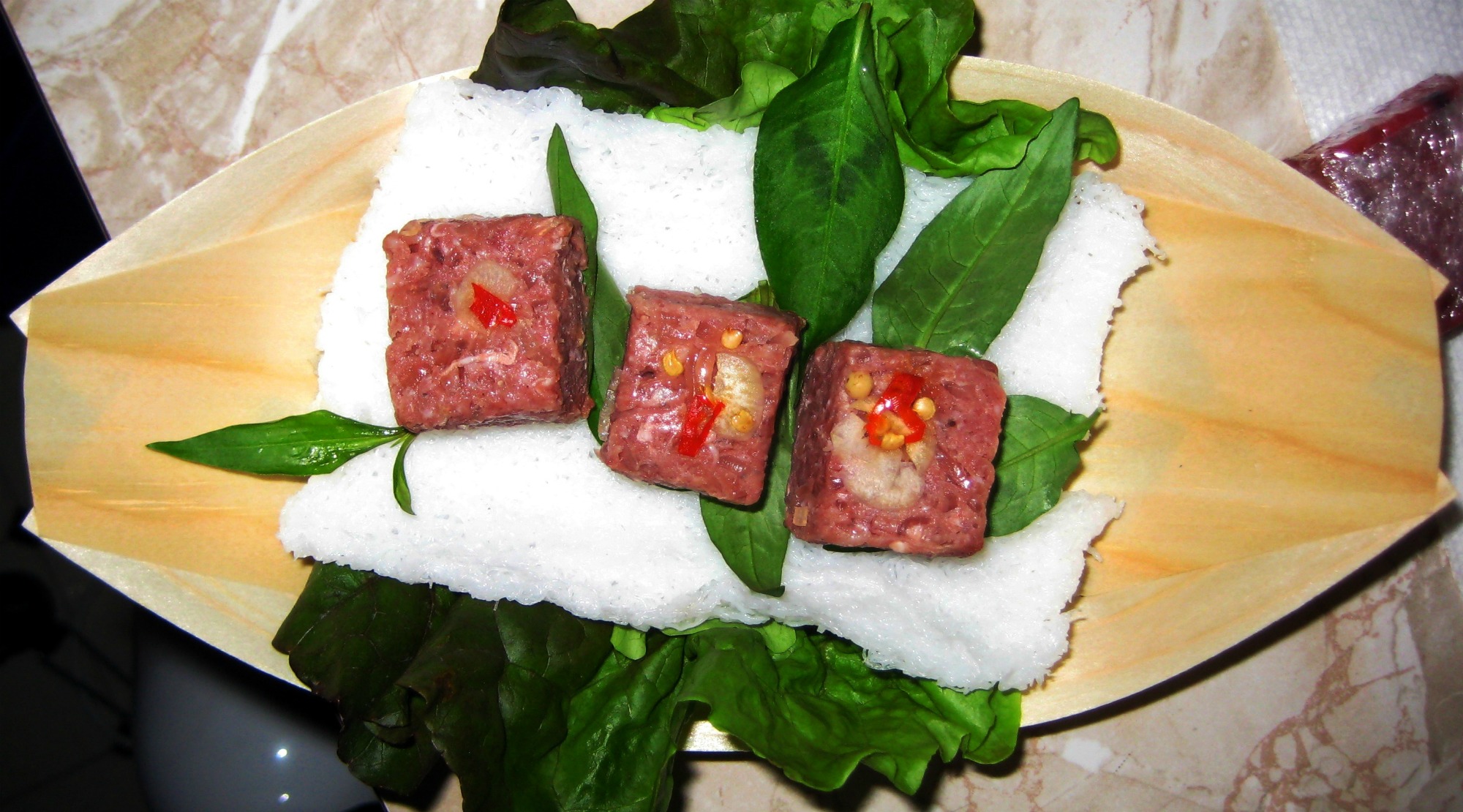
A more elaborate way to eat nem, with more vegetables and tapioca noodle

We had decided to learn how to make it ourselves because we were finding it difficult to get authentic nem where we lived – but who would teach us? Our mothers have been making nem using the all-in-one powder packets that are readily available at Asian supermarkets. Extensive searches of English and Vietnamese literature yielded no recipe, food articles, cooking show episodes, or anything else that did not use the powder in order to make nem. On the one hand the success of the powders made sense – they greatly simplified the process, and had a large cadre of synthetic ingredients to ensure consistent results every time. On the other hand, even our mothers were concerned about the ingredients list but reasoned that nem was only an occasional indulgence and presented little chronic health concerns. We did not want to make and eat food with mysterious ingredients that continuously caused us worries.

We next looked into commercial sources for nem here in the United States, but the dedicated nem makers were hard to find. Instead, nem on the grocery store counters were seemingly made by unskilled hands that relied on chemicals to control every aspect of the dish. The worst of these generic nem glowed fluorescent pink, had a preternatural crunch, and left a faintly sweet chemical aftertaste.

Nem as we knew it was disappearing! We also heard anecdotes from friends and family back in Vietnam that many health-conscious people there were also giving up nem because of food safety concerns. Closer to home, one of my uncles had also given up eating nem altogether. We had come to him asking about nem after discovering that his family operated traditional charcuteries both in Vietnam and wherever they scattered to in the Diaspora. He never went into the family business and was unpleasantly surprised to discover from his siblings how much chemicals were in nem as presently made.

A larger block of nem for sharing.

Being stymied at every turn actually made us more determined to make nem the all-natural way. We’d re-invent it if we have to. We read up research papers for any hint into the mechanisms of curing. We worked out with high confidence the proper proportions of all the main ingredients but still something was off. The breakthrough came when we looked into how other cultures in Southeast Asia produced their cured meats. We came across references that the ingredients must be added in the proper sequence to make the meat receptive to lactic fermentation and be properly cured.

Without the chemicals, making nem was a much more transparent process, where every step, and the quality of every ingredient had a significant mechanistic or aesthetic effect on the final product. During the entire preparation time the meat must be constantly kneaded to be broken down on a physical level while the addition of sea salt achieved the same effect on a molecular level. The sugar or malted rice provided the fuel for lactic fermentation. Even the spices had an anti-microbial effect that gave the probiotic fermenters time to acidify the meat and make it inhospitable to spoilage and pathogenic organisms. Finally nem was packed into multi-layered leaf packages which provided a fragrant and secure, anaerobic environment for nem to cure.

We can’t say for sure that ours was the traditional way of making nem, having been unable to reconnect to any nem making lineage and having had to derive our own method. However, we can say that the nem we made were as we remembered them, that our cravings for nem were finally satisfied, and we can be proud that we made our nem the all natural way.

Posted in In the Pantry (food artisans) | Tagged , , , , , , , , | 4 Comments

Reflections on the One Year Anniversary of the Egg Recall

Borden - poached egg on toast

The deep orange of the yolk happens when our chickens eat greens from the garden.

A year ago this month, there was a national egg recall. You would think more communities would be welcoming the chicken to backyards as a result. Unfortunately, that does not seem to be the case – many cities are still mired in debates similar to what happened in Grand Rapids, MI last August.

The egg recall of 2010 started slowly. On Aug. 13 2010, Wright County Egg Farm of Galt, Iowa, issued a voluntary recall of eggs due to reports of sickness from salmonella poisoning. According to the egg reporting of Juliana Keeping, the national egg recall was expanded to Michigan on Aug. 25, 2010.

On Aug. 10 2010, Grand Rapids City Commission voted down an ordinance for residents to be able to keep backyard chickens. Several Grand Rapids commissioners argued they needed more information before they could approve the measure. In 2008, when Ann Arbor passed the city chicken ordinance, there were similar points argued around noise, waste pollution and avian flu. As my lawyer friends point out, those three points could be used against my dog and cat (just ask a pregnant woman about cleaning out a litter box). However, my dog and cat don’t provide food for the family every day – unlike my chickens.

Though just 3 years since the Ann Arbor debate the backyard chicken conversation already feels antediluvian. In the last year, I had hoped the egg recall would have shortened, nay, rendered meaningless, the backyard chicken debate for our neighboring cities.

Unfortunately, I continue to hear of communities fighting for backyard chickens, losing the right to grow their own food in the face of outdated zoning rules.

Borden - Chickens eating weeds

Our girls eating weeds from the vegetable garden.

The urban explosion of the 1920s fueled zoning rules (NYC adopted the first zoning rules in 1916). People left the country and did not want to live next to a slaughterhouse pouring offal into the streets or the noise of a machine shop. Residential zoning rules were adopted to protect home-owners from commerce and animal husbandry. 90 years later, you would think a modicum of compromise and common sense might prevail in our zoning rules – especially in the light of food recalls.

Maybe next year.

Chopstick crazed,

Corinna

Posted in On the Farm | Tagged , , , , | Leave a comment

Touring and Tasting at Theo: Explore the Origins of Your Chocolate

This post is from one of the 18 interns in the Real Time Farms Food Warrior Summer Internship Program. These interns are collecting data, pictures, and video on the growing practices of our nation’s farms, collecting food artisans’ stories, and documenting farmers markets. We all deserve to know where our food comes from!

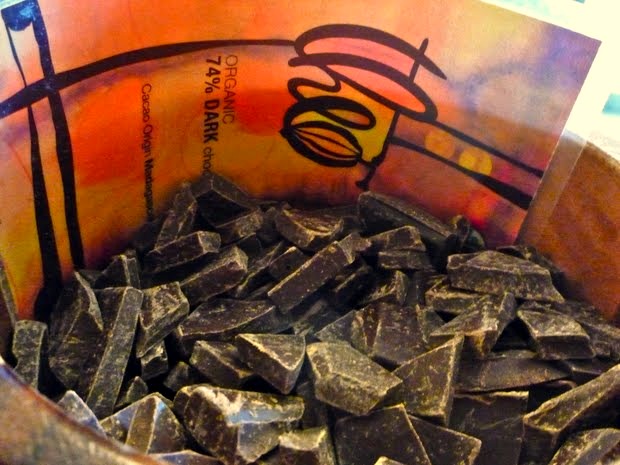
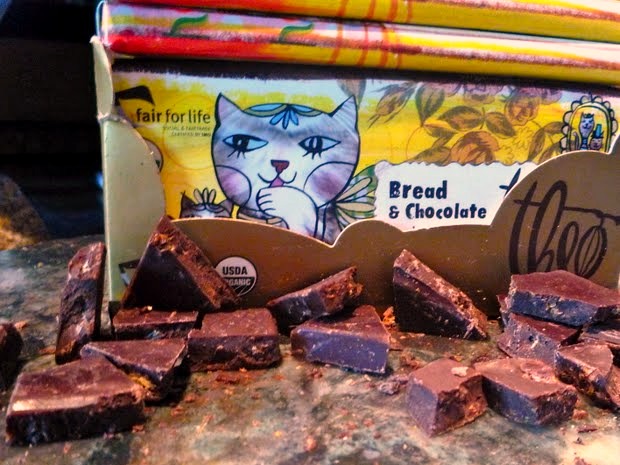
Though one of the most beloved flavors of our species, the particular origin and path of travel chocolate takes before reaching a dazzling wrapper is not often acknowledged or understood.  Theo Chocolate Company, the first and only certified Fair Trade and organic chocolate factory in the United States is working to change that. They operate their factory in a 100-year-old building in the Fremont neighborhood of Seattle, WA, and offer daily tours to show visitors there is much more to one of our favorite desserts than we think.   Theo distinguishes themselves as a “Bean-to-Bar” factory, which means they are actually making chocolate out of the cocoa beans rather than acting as a “chocolate melter.” In fact, the name Theo stems from the Theobroma cacao tree, literally meaning ‘cacao, food of the gods’ from which the seeds for producing a chocolate bar begin.

I learned while sampling (an obvious necessity of understanding the essence), that it is important to begin with the darkest bar and then move toward the sweeter ones to ensure the sugar does not interfere with grasping the taste.  At Theo they believe one can actually taste the place of the chocolate.  It is vital to take your time; let the chocolate melt in your mouth and you will be able to taste the soil and climate of where the beans originated.

Theo Chocolate’s decision to become a true chocolate maker was motivated by their concern for both the farmer and the environment.  Most cocoa farmers earn less than a dollar per day and seventy percent of beans come from the Ivory Coast and Ghana, areas where forced labor is all too present.  Fair Trade prioritizes social benefits; farmers make fair wages and a fair price is paid for the product.  The shade grown, organic chocolate Theo produces forgoes pesticides and chemicals and the importance of existing ecosystems is recognized.

After learning of the various machines and processes such as fermentation and tempering, visitors are lead into the confection kitchen and briefed on specifics of bars’ ingredients (organic fair trade sugar, organic milk powder and the other “goodies” in some bars like fruit sourced from local farms).  For now, Theo believes it is too idealistic to hope to acquire beans Fair Trade from the Ivory Coast and Ghana but is helping improve the lives of farmers in Ecuador, Costa Rica, Dominican Republic and Madagascar by buying beans from these regions (Theo Chocolate’s sugar comes from Paraguay).  Since Theo Chocolate has made the commitment toward supporting the lives of these farmers and the environments they live in, it can be assumed that their mission of being a Bean-to-Bar chocolate factory is also enriching the lives chocolate lovers across the country.

Chelsea Burns
Summer 2011 Seattle Food Warrior Intern

Posted in Food Warrior Interns, In the Pantry (food artisans) | Tagged , , , , , , , , | 1 Comment

Top 100 Farmers Market Photos : 15K searched. 100 chosen.

Over 15,ooo photos have been posted to Real Time Farms since the site’s launch last April. That’s the work of everyday people like you and me… crazy awesome, right?!

To honor National Farmers Market Week, Real Time Farms’ Gastronomic Guru Lindsay-Jean Hard and Co-Founder Cara Rosaen sifted through the 15K photos to find the Top 100.

This slideshow requires JavaScript.

There is reason to celebrate. The USDA’s yearly poll of markets shows the number of farmers markets has risen AGAIN this year, this time by 17%, raising the grand total from 6132 to 7175 markets nationwide.

This giant set of data has been made open to the public by the USDA. This is huge! It means people like us and the Eat Well Guide can use the data – import it into our sites, sprinkle on our own flair and features, and help more customers find markets near them. Thanks USDA!

We agree with Agriculture Deputy Secretary Kathleen Merrigan, when she said farmers markets “are a critical ingredient in our nation’s food system”. (Quoted in a USDA press release, 8/5/11)

Celebrate them! Visit a market. Take some pics. Share them on Real Time Farms!

You’ll keep everyone goin’ back to their market for some more! (And who knows? Maybe your picture will be featured next year!)

Are you a self-declared market fanatic?

Happy National Farmers Market Week everyone!

The Real Time Farms Team

Posted in Aw Snaps! (our best photos) | Tagged , , , , , , , , , | 1 Comment

A Sweet Spoonful for Pollen Problems

This post is from one of the 18 interns in the Real Time Farms Food Warrior Summer Internship Program. These interns are collecting data, pictures, and video on the growing practices of our nation’s farms, collecting food artisans’ stories, and documenting farmers markets. We all deserve to know where our food comes from!

For many, the arrival of beautiful pink, lavender, and white spring blossoms is a visual agreement from Mother Nature that the cold winter has come to an end and spring is on her way.  For me…it means it’s about time for a run to the drug store to stock up on tissues, anti-itch eye drops, and some allergy medication.  Each year, my spring mornings begin with a tickle in my nose.  You know, that tickle that tells you you’re about to sneeze, and anybody standing within two feet of you better put on their parkas, lest they be bathed in your spray.  I’ve cycled through every allergy medication possible – Zyrtec, Benadryl, Allegra – you name it, I’ve tried it.  With every new pill that I swallow, so do I swallow my hopes that my constant itchy throat and eyes will go away.
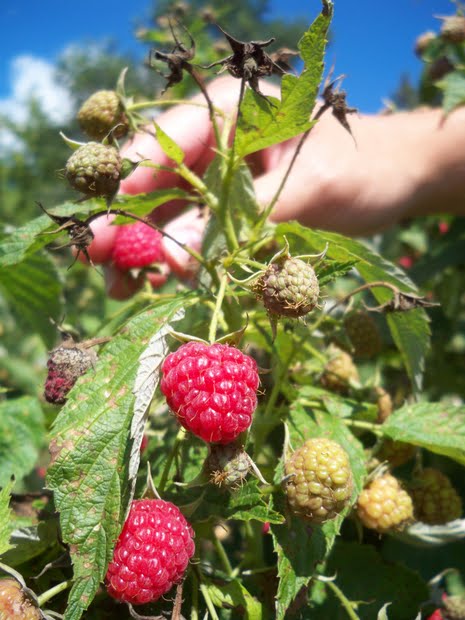
I’ve got good news though for my fellow prisoners of pollen, no matter what season you tend to suffer most from allergies. I’ve been enlightened to the magic wonders that pollen can have in treating our allergies! It seems that all along the enemy was actually the friend!

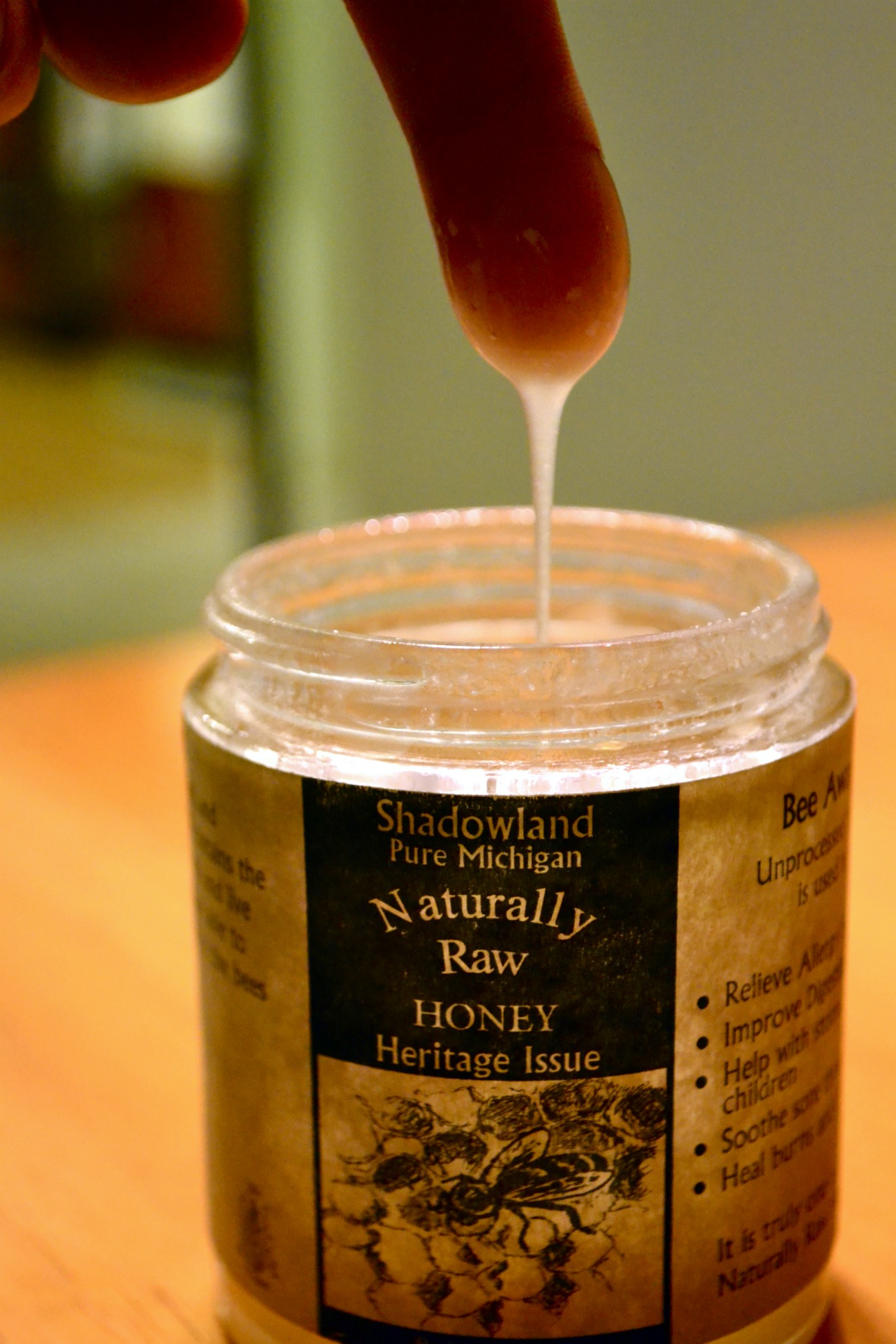
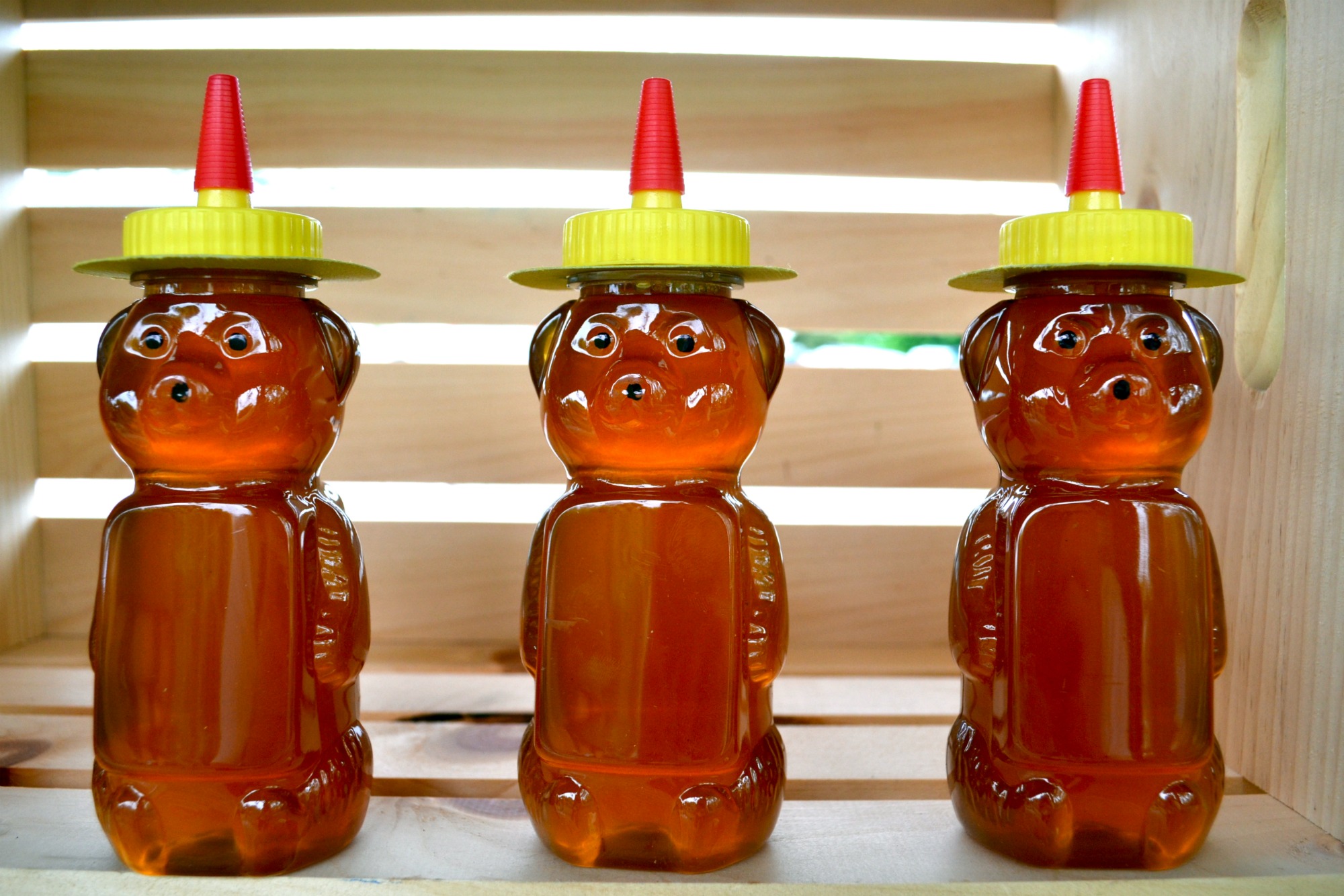
On a recent visit to the Sara Hardy Farmers Market in Traverse City, Michigan, I was asking Shadowland Honey about the different varieties of honey they had to offer.  When I asked the difference between raw and processed honey, I assumed I’d get an, “Oh it’s just a taste thing, some people prefer the taste and crystalline texture of the raw.” And while that answer was, in part true, the second part of the answer sent me lunging for the honey like Winnie the Pooh to a honeycomb.  I learned that raw honey is honey that is still in its natural state; it is unfiltered and unprocessed.  What this means for us eaters of raw honey is that we are ingesting tiny bits of pollen, propolis (the resin mixture that bees use to seal up their hives), small pieces of honeycomb, and living enzymes with every sweet spoonful we lather onto our toast.

The consumption of these different compounds works as a sort of vaccination for your body. What happens when you breathe in pollen through your nose is that your body has an allergic reaction to pollen (your runny nose, itchy throat, etc).  In reality, your body is simply mistaking the pollen caught in your nose for dangerous dust mites or fungal spores.  The release of histamine, which causes irritation and inflammation of your skin, is the body’s natural reaction to the “invaders,” or in this case the pollen.  Eating a bit of raw honey every day is similar to vaccination in that you are slowly familiarizing your body with the presence of the pollen.  The more familiar your body gets with the presence of the pollen, the less likely the chances are that it will launch an attack the pollen.
In order for the honey treatment to be effective, however, the honey has to be local from your area.  This makes complete sense if we think about it…the bees that make the pollen should be using pollen from flowers that pollinate around your area.  This way, the pollen spores from those wildflowers that are found all over your neighborhood end up in your honey! Another thing to note about this allergy treatment is that it will really only work for those who are allergic to amphipilous plants, or those that are pollinated by both wind and insects.  Again, another logical limit to the treatment since in order to make honey, the bees must pollinate plants!  If you’re allergic to grass, it’s not likely that a local honey treatment will help you since grasses aren’t insect pollinated and thus there won’t be any honey made from grass pollen.

After learning about this local honey treatment, I can assure you one thing…my next drive to get some allergy medication will be to a farmers market and the next dosage I swallow will be a spoonful of raw honey! As Winnie always says, “The only reason for being a bee that I know of is to make honey…. And the only reason for making honey, is so as I can eat it.”


Jules Botham

Summer 2011 Michigan Food Warrior

Posted in Food Warrior Interns, In the Pantry (food artisans) | Tagged , , , , , , , , | 1 Comment