Local Food Delivery By Bike: Meet Ed from Arbor Cycle

Hi National Audience!

This is about bike delivery, because biking is awesome. Last summer, I decided to start a project that would exemplify this concept, Arborcycle. It wasn’t a new idea, not really. I’ve gotta give some props here to Harvestcycle; they are based out of Sarasota, Florida.

Anyways, it’s been a year and bikes are kicking ass.  Bike sales are up and bike based business like VeloVeggies (Minnesota), From Earth to Kitchen (New York), and SoupCycle (Oregon) are popping up all over the place. By biking fresh veggies to you, we are paving the way for a new system of distribution and solving a problem of many major cities: cars.

Yeh, cars, it’s been run over again and again (yes, I went there). Quite simply, the car is not a efficient mode of transportation for a city. Take the city of, I don’t know, Ann Arbor, the place where I live and work, the streets through which I commute daily, sometimes with a trailer and a banner, traversing that narrow space between curb and certain death, or near fatal injury.

Ann Arbor has a population of 114,024, of which 32% are university students, (thanks wikipedia!). The residents of Ann Arbor are quite fierce about their parking, some of the tallest structures in the city are parking garages, and the major project for the next year: an underground parking garage. No worries on that score then, we have plenty of parking here, so bring your car and join the party.

Or…

Ride a bike. It’s fun, it’s great exercise and you get complimentary anti-guilty points because you saved the environment! There are some other key points about bikes: in the city they are faster, you can lock up your bike right outside your destination, and sometimes even bring your bike inside. Thank you thoughtful business people!

Bikes can move easily down small alleyways and get from one side of town to the other faster than a car; even with 70 pounds slowing you down. Arborcycle’s current setup includes a small burley trailer with a 70-pound load limit, but there are plans to upgrade to the ever popular Bikesatwork trailer with a load limit of 300 pounds. Woohoo! The Burley trailer can carry most small loads, usually packed in a rubbermaid container. Items transported regularly include veggies, prepared food, fryer oil for retrofitted cars, furniture, other bikes, and coffee.

Recently, prepared foods have been my most common bike companion. Local companies like Harvest Kitchen and Eat Catering make lunch and dinner items which travel by bike to their destination. For busy people in the Ann Arbor area these companies make a healthy lifestyle that much easier. Connecting you to healthy food and a guilt-free two wheel alternative? Yes, I say, Yeah-S.

This is just the beginning, there are many other markets that can utilize bike transportation to their benefit. I’m not canceling out cars at all here, although I have been talking like it. I was born into the culture of the car and like driving and used to eat fast food. French fries are awesome! Truly, I doubt anyone has a desire to bike an entire season’s worth of squash from farm to door. But once that squash gets to town? A bike is definitely the way to go.

There is an important point here, that I might have missed. Biking is different than driving.  I know… a real shocker, but ride a bike and see how it changes you. When you bike or walk you have to be a part of your environment, everyday, you have to breath the air, feel the cold and the sun on your skin. The bubble principal of a motor vehicle no longer applies, interaction is required and checking out is out. Biking changes the world, and it can change your world, if you let it.

My name is Edward Weymouth and I’ve been riding since my first two wheeled bike in middle school (which had five gears and a gear shift, like the stick shift in a car…awesome). Check out the Arborcycle website for more info and Facebook/Twitter. You can always call or email for information, we’ll be starting a Kickstarter fund soon; if you feel like donating a few bucks, that’d be awesome.

Thank you to all the business that have helped Arborcycle get this far:

Harvest Kitchen, Roos Roast, Pot and Box, Vegpower, Tantre Farms, By The Pound, Spoke N Spoon, Eat Catering, Think Local First, Great Lakes Cycle, Two Wheel Tango. Woohoo! Y’all rock!
Posted in Messages From the Founders | Tagged , , , , , , , , , | Leave a comment

Savor the Season: Squash

Wondering what do with with the abundance of squash that is all of a sudden overtaking farmer’s markets?

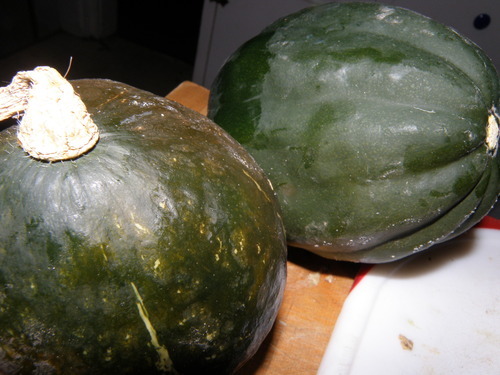
I came up with two delicious and nutritious squash creations (using squash bought at the Ann Arbor Farmer’s Market) this week to share with you all. I got Kabocha squash, but surely you could make these dishes with any type.

Spicy Squash Fritters

I first baked the squash in the oven at 400 degrees for about 30 minutes. I then cut it in to bite sized pieces, which I dipped into egg, and then coated them in a mixture of whole wheat flour, cornmeal, salt, garlic powder, and cayenne pepper. I then threw them in to a pan of hot olive oil and let them get crispy for a few minutes. The result was a soft, semi-sweet inside with a crusty savory outside layer with a nice spicy kick. Delicious, and a great food to snack on or bring to a potluck!

Squash & Cauliflower Soup


I first sautéed some garlic and red onion (Ann Arbor Farmer’s Market) in a bit of olive oil, and then put in the cauliflower (also from the Ann Arbor Farmer’s Market) and peeled squash (pre-baked to make cutting easier), poured in vegetable broth and tossed in some thyme, sage, bay leaves, paprika, and salt. I let it all simmer together for about 45 minutes until the cauliflower and squash were so soft that they had broken up and the soup was almost creamy (although I never added cream). You could make it even creamier by putting it in a food processor or blender, but I personally like my soup to have a chunkier texture. I made this on a day where I was feeling a little sick and it was the ultimate fall comfort food, full of flavor.

Try out these ideas or use them as inspiration for your own squash creations. ‘Tis the season!

[My apologies for not giving measurements— I think the fun of cooking is experimenting, so I generally just throw ingredients together until I feel it’s done.]

Stay Fresh,

Lindsay Partridge

Posted in In the Kitchen (recipes & more) | Tagged , , , , , , , | Leave a comment

Cheddar-Crusted Veggie Quiche

We had a couple of cheddar crusts left over from our cooking adventures at Selma Cafe, and we decided to use one to make a quiche for a team lunch last week.

Cara’s lovely quiche dish was quite deep, so our cheddar-crusted quiche was packed with a full dozen eggs from Sunrise Poultry and loads of veggie goodness, like broccoli, onions, garlic, and mushrooms from Tantre Farm, pickled green beans from our pickling party, herbs from Karl and Cara’s garden, and yes, more cheddar cheese! It was so good, I wish I could have another slice right now….

Locally yours,

Lindsay-Jean

Posted in In the Kitchen (recipes & more) | Tagged , , , , , | Leave a comment

Young Foodies: Laura Budde

Something that has become very apparent to me recently is the overwhelming number of young people who are devoting their lives to sustainable agriculture and local food movements. Perhaps I am more aware of it because I have been more involved with it lately, but something tells me there is a growing momentum that is very unique to my generation. Since noticing this, I’ve become curious— what is spurring this momentum? What makes young people so passionate about food?

Laura Budde is a 21-year-old student at the University of Michigan, studying Program in the Environment, with a specialization in sustainable food systems. She grew up in Minnesota, where her mom had a small garden, but her experience with agriculture was otherwise limited to driving through the monocultures of corn that pervade the midwest. When her mom bought her Barbara Kingsolver’s book Animal, Vegetable, Miracle in high school, it was the first time she learned to think about food as something positive and essential to our well-being.

After taking an environmental issues class at the Univeristy of Michigan and declaring a major in Program in the Environment as a sophomore, Laura was made more aware of food politics by books and films like Omnivore’s Dilemma and Food Inc. and decided as a sophomore to focus on sustainable food systems.

As a junior, Laura spent a semester abroad (with Semester at Sea— a study abroad program that sails around the world and stops in several countries for a diverse learning experience). This past year, the theme of the program was environmental sustainability, and several classes pertaining to the theme were offered to students. Laura took a class on the anthropology of food, through which she was able to see how different cultures experience food. From ethnic cuisine to rice paddies in Vietnam and China to a fish auction in Japan, she got to learn about different food systems and it became very apparent to her from these experiences just how industrial our food system in the US is.

Upon her return from her voyage around the world, Laura spent part of her summer on a program, Hecua, that looks at sustainable food systems through research laboratories, agricultural policy institutes, meat-packing plants, creamery operations, conventional farms, and small-scale CSA farms. She then spent the rest of the summer WWOOFing on two different farms in Washington. She spent one month on a vegetable farm in Mt. Vernon harvesting and selling to local cooperatives, and then six weeks on a goat farm that specialized in milk, cheese, and fiber art from sheep’s wool.

For now, Laura is most interested in the production end of the food system, and would love to have her own farm some day, or even work as a farm animal vet to make sure that the base of production is healthy. In the future, she could see herself doing agriculture related work with Americorps or with farms-to-schools programs. According to Laura, the biggest issues facing the growth and health of local food systems are transparency, education, and access to information— It is difficult to make the issues visible to the public, but it is necessary to continually reach out to the population and hold corporations and industries accountable.

I’ll be bringing you more profiles of young foodies in the near future!

Stay Fresh,

Lindsay Partridge

Posted in Food Transparency (the issues) | Tagged , , , , , , | Leave a comment

What’s the Difference: Potatoes

My favorite food!

I visited the Broadway Farmers Market last week to stock up and explore the potato harvest.

Olsen Farms has tons of potatoes. More potatoes than I would know what to do with. Perhaps I’ll write a “What’s the Difference: Potatoes, Part II” soon. That would give me a reason to buy and cook even more potatoes. Like I need a reason. Ha!

The guys at Olsen’s were very friendly and helpful as I asked questions about all the different types of tater they had displayed before me. Kindred spirits, these potato growers!

I selected three types: Desiree, a very ladylike and pink skinned all purpose potato; Viking Purple, with groovy purple marbled skin that’s excellent roasted; Purple Majesty, with “intense blue flesh” that is fun to mash.

Now it’s time for potato history, courtesy of the knowledgable guys at Olsen Farms, supplemented by Wikipedia. I’ll keep it short. Pay attention, now, this stuff is interesting. Might change the way you look at the humble pomme de terre!

  • Potatoes come originally from South America, where they were cultivated 10,000 years ago
  • Potatoes were introduced to Europe in the 1500s and went on to become a dietary staple
  • There are about 5000 potato varieties in the world
  • A medium size potato (with skin) provides about 45% of your daily recommended Vitamin C

Holy Potato!

Ok, so how’d I put the mighty tuber to use?

All right! First, I chopped them all up.

It’s what’s on the inside that counts, right? So the white one is the Viking Purple, the yellow one is lovely Desiree, and the blue one is Purple Majesty.

Then, I roasted them all. With oil and salt and pepper.

Desiree tasted the best roasted. Creamy, not too dry, held together. Viking Purple tasted good but kind of fell apart, which is ok if you like softer roasted potatoes. Purple Majesty was a bit dry roasted.

All right, then, what’s next?

Fry them in a pan and pop them in a frittata, that’s what.

I used Desiree and Viking Purple only in this recipe. Cooked them in a pan with some onion until soft, then added some kale. Once the kale cooked down a bit, mixed the veggies with some beaten eggs, added some thyme, and baked.

Once again, the Desiree potatoes, which are a little waxier than the Viking Purples, held their shape a bit better, but because this was a soft dish, that didn’t matter too much. Both tasted great, and the different colors of the skin look nice together. And boy is kale good.

Okay, here’s my big purple finale. I always buy purple vegetables. I can’t help myself. They look so cool! But sometimes they get less cool looking when you cook them. Remember my ghostly purple pepper? So I was worried about what might happen to my Purple Majesty potatoes when I boiled them. The guys at Olsen Farms assured me they’d make great mashed potatoes, but I was still nervous!

Ta-da! Mashed purple potatoes!

A fluffy purple cloud of deliciousness. Just peel, boil, mash with butter and milk, like regular mashed potatoes. I added some thyme. Yum. And the texture was great. I’m hoping Purple Majesty potatoes will still be around for Thanksgiving. Must ask at Olsen’s this weekend…

So many potatoes in the world. So many delicious recipes. Go find which of the thousands of varieties are grown in your area and do right by your local tater.

Your Seattle correspondent,

Lisa

Posted in In the Kitchen (recipes & more) | Tagged , , , , , | Leave a comment

Savor the Season: Brussel Sprouts

Brussel sprouts can get a bad rap, but I think these little members of the cabbage family are delicious – especially slow roasted with a drizzle of olive oil. This week I wanted to try something different with them though, so I decided to use them in  Martha Stewart’s Shiitake Nori Rolls recipe (ignore the photo within the link, it is incorrect!) in place of the cabbage.

Shredded brussel sprouts, ready to be lightly cooked in olive oil with onion and garlic.

The final result – a little messy, but very tasty. I was lazy (ie hungry and feeling under the weather) so I didn’t take the time to toast my nori sheets. Do as I say, and not as I do – toast your nori sheets! Your rolls will slice cleanly and look prettier than mine do.

Recipe adapted from Martha Stewart’s Shiitake Nori Rolls:

  • 1/2 – 1 C veggie broth
  • freshly squeezed lime juice
  • shoyu (soy sauce)
  • finely chopped fresh cilantro
  • 3-5 scallions, thinly sliced
  • 3 1/2 ounces soba noodles (I cooked a whole package, and just saved the extra)
  • 1/2 teaspoon toasted sesame oil
  • 1 tablespoon olive oil
  • 2 large shallots (or 1 small white onion), minced
  • 4 cloves garlic, minced
  • brussel sprouts, shredded or chopped (I started with 2 cups or so)
  • 6 sheets nori
  • 1) Make the dipping sauce: Combine 1/2 C veggie broth, lime juice, shoyu, and cilantro to taste. Top with some scallions. Set aside.

    2) Bring a medium pot of water to a boil. Add noodles; cook according to package instructions. Drain. Rinse with cold water; drain again. Transfer to a medium bowl; toss with sesame oil and cilantro to taste. Set aside.

    3) Heat olive oil in a large skillet over medium-high heat until hot but not smoking. Stir in shallots (or onion) and garlic. Cook, stirring occasionally, until shallots/onions begin to brown, about 2 minutes. Add brussel sprouts, and toss to combine. Reduce heat to medium. Cook, stirring occasionally, until brussel sprouts wilt slightly, 2 minutes. If desired, add remaining veggie broth and shoyu to taste. Cover, and cook, stirring occasionally, until brussel sprouts are tender, about 5 minutes. Stir in sliced scallions; set aside.

    4) Toast the nori sheets: Using tongs, pass each sheet just over a medium gas flame, turning, until fragrant and crisp, about 3 passes on each side. (If only an electric burner is available, heat to medium; toast sheet directly on the burner, flipping for 30 seconds to 1 minute.)

    5) Working with 1 toasted sheet at a time, put 1/6 of the noodles along 1 edge of the nori, leaving a 1-inch border. Top with 1/6 of the brussel sprout mixture. Starting at the side with the filling, roll up sheet, enclosing filling. Repeat process with remaining sheets, noodles, and cabbage mixture. Cut each roll on the diagonal into 2 pieces. Serve with dipping sauce.

    *In all honesty, although my dipping sauce was fine, I would stick with Martha’s as written – my budget just didn’t allow for purchasing dried shiitake mushrooms.

    Locally yours,

    Lindsay-Jean

    Posted in In the Kitchen (recipes & more) | Tagged , , , , , , , | Leave a comment

    WWOOF

    Hey people,

    I’m Lindsay. Nice to meet you! I’m a senior at the University of Michigan and a new volunteer for Real Time Farms. I spent my whole life growing up in the heart of Chicago with very little experience in any kind of rural setting, so my interest in farming may seem a little out of place, or at least unexpected.

    Growing up, I was always overweight, with very little concern for what was going in to my body and not much interest in physical activity or the outdoors. My parents always provided me with nutritious, home-cooked meals, but I took any chance I got to fill myself up with Cheetoh’s and Coke at the neighbor’s house. Going in to high school, I decided (with strong encouragement from the ‘rents) to go on WeightWatchers. After about a year of counting, very meticulously, every item I ate and every minute of exercise, I had lost a little over 50 pounds. It was during this year that I became very aware of how different foods affect my health and the way I feel. I had to learn how to get full without exceeding my daily “points,” so fruits and vegetables became the obvious choice much of the time.

    Fast forward to college— After several years of learning and experiencing some of the things that a lucky young person might experience, I decided to head to Europe for a 6 week tour with my backpack and an excited, adventurous spirit. I had heard about WWOOF (World Wide Opportunities on Organic Farms) several times, although I can’t quite recall when, where, or from whom. For those who are unfamiliar with WWOOF, it is a website that links people to organic farms all over the world where they can work in exchange for room, board, and an incredible learning experience. Anyways, I decided that a good portion of my European adventure would include a 2-week stay on Ferme de Coution just outside a small French village called Desaignes. I had been slowly learning French for as long as I can remember, so I thought it would be a good opportunity to work on my language skills and to continue traveling comfortably on my college student budget.

    While I did both those things, the main outcome of my WWOOFing experience was developing a passion for fresh, local produce and the “do it yourself” phenomenon. Each morning, I woke up early to eat a breakfast of freshly baked bread with jam made by Arlette (the owner of the farm) from the farm’s fruits. I would then work out my forearm muscles by milking the 8 goats by hand while feeding them and then lead them out to the open field, where they would spend their day freely roaming around. The rest of the day would be spent harvesting and weeding in the garden, overlooking a beautiful landscape of other farms and medieval style houses down the hill.

    Arlette spent most of her days making jams and goat cheeses, and in the evening, we would cook dinner together almost entirely from ingredients that had been recently harvested right there. We could literally SEE where our food was coming from while we were eating it, and it was the freshest, most profoundly flavorful food I had ever eaten. The satisfaction derived from eating the vegetables I had pulled out of the ground that very day is indescribable. Plus, I’ve never slept so well in my life.

    In my free time during those two weeks, I got to wander around the quaint village below and check out the other local producers in the area. The “Medieval Village” of Desaignes is a tight knit community of people who know and support each other. Everything bought and sold there, pretty much, is made there. Being from Chicago, I had never experienced such a uniquely independent place with so little input from the outside— and it worked! The profound sense of community in the town was obvious when walking around and seeing everybody say hi to everybody and stop at the booths in the market to find out what new cheeses or wines were available from their neighbor farms.

    So, that’s my story, or at least part of it. Since my time on Ferme de Coution, my heart beats faster every time I come across a farmer’s market or a locally sourced restaurant. I couldn’t be happier to be working with Real Time Farms and working to link people to their fresh, local food sources and helping to strengthen communities across the nation. More from me to come!

    Stay Fresh,

    Lindsay Partridge

    Posted in On the Farm | Tagged , , , , , , | Leave a comment

    A Weekend Visit to Full Circle Farm

    Last Saturday, September 25, was King County’s Harvest Celebration. This meant anyone could drive through the beautiful Snoqualmie Valley, just east of Seattle, and visit up to 9 different farms!

    Beautiful day! Beautiful river! Beautiful Snoqualmie Valley!

    We headed first to Full Circle Farm. We’ve gotten some great produce from Full Circle at our Seattle farmers markets, and were excited to check out the farm!

    There were tons of families there, enjoying the great weather and the beautiful farm.

    Tasty farm fresh veggies.

    You could look around the 100 year old barn, learn more about Full Circle Farm’s subscription farm-to-you boxes, chat with the folks from the PCC Farmland Trust to learn about saving farmland, get a balloon animal, and try some delicious carrot bisque or beet salad made by Ericka Burke of Volunteer Park Cafe, made with Full Circle veggies!

    Salmon safe!

    We took a tractor pulled wagon ride around the farm, learning more about what was growing now (kale! radicchio!) and about the history of Full Circle Farm -it has great dirt! Great dirt makes great veggies. It’s also all organic, and has the largest CSA in the nation!

    Look! Vegetables! Mountains! Good dirt!

    Everyone was so nice, and it was great to have an opportunity to see where our food comes from! The farm is lovely, and seeing it in person gives greater insight into seasonality, local food, and what it takes to be a successful organic farm. Thanks, Full Circle Farm!

    Your Seattle Correspondent,

    Lisa

    Posted in On the Farm | Tagged , , , , , , , | Leave a comment

    Alaskan Farmers’ Markets + Fresh International Gardens

    So, you may remember our friends Kelly and Marty from their fabulous work on our Real Time Farms Teaser Video! After finishing the film, they left for a crazy awesome Pan-American trip. Below is a word from them on their foray into farming in Alaska:

    “Although the Alaskan growing season is shorter, the long days of summer sunlight (maybe not this season with a record breaking amount of rain…) allow for some intense crop production. This intensity is displayed every year at the Alaska State Fair in Palmer where world records for giant produce are broken. One of the most notable competing crops is the giant cabbage. Steve Hubacek from Wasilla broke the world record in 2009 with a 127 lb cabbage! He took 1st again this year in the Giant Cabbage Weigh Off with his cabbage weighing in at 105.6 lbs to bring home the $2000 prize.

    If you go to one of many Alaskan farmers’ markets, most of which are concentrated in the south central region of the Matanuska Valley and the Kenai Peninsula, don’t expect to see 100 lb + cabbages for sale at $2000. The giant vegetables are mainly a novelty for agricultural hobbyists. However, you can expect to see a bounty of fresh, great tasting local produce. You can also expect to see the “Alaska GROWN” slogan and logo everywhere. The slogan is represented with great pride throughout the communities. We’ve spent few days traveling in Alaska where we haven’t seen someone sporting the “Alaska GROWN” sweatshirt.

    After perusing around some of the markets, we tried a rhubarb lemonade, which was a delicious local treat!

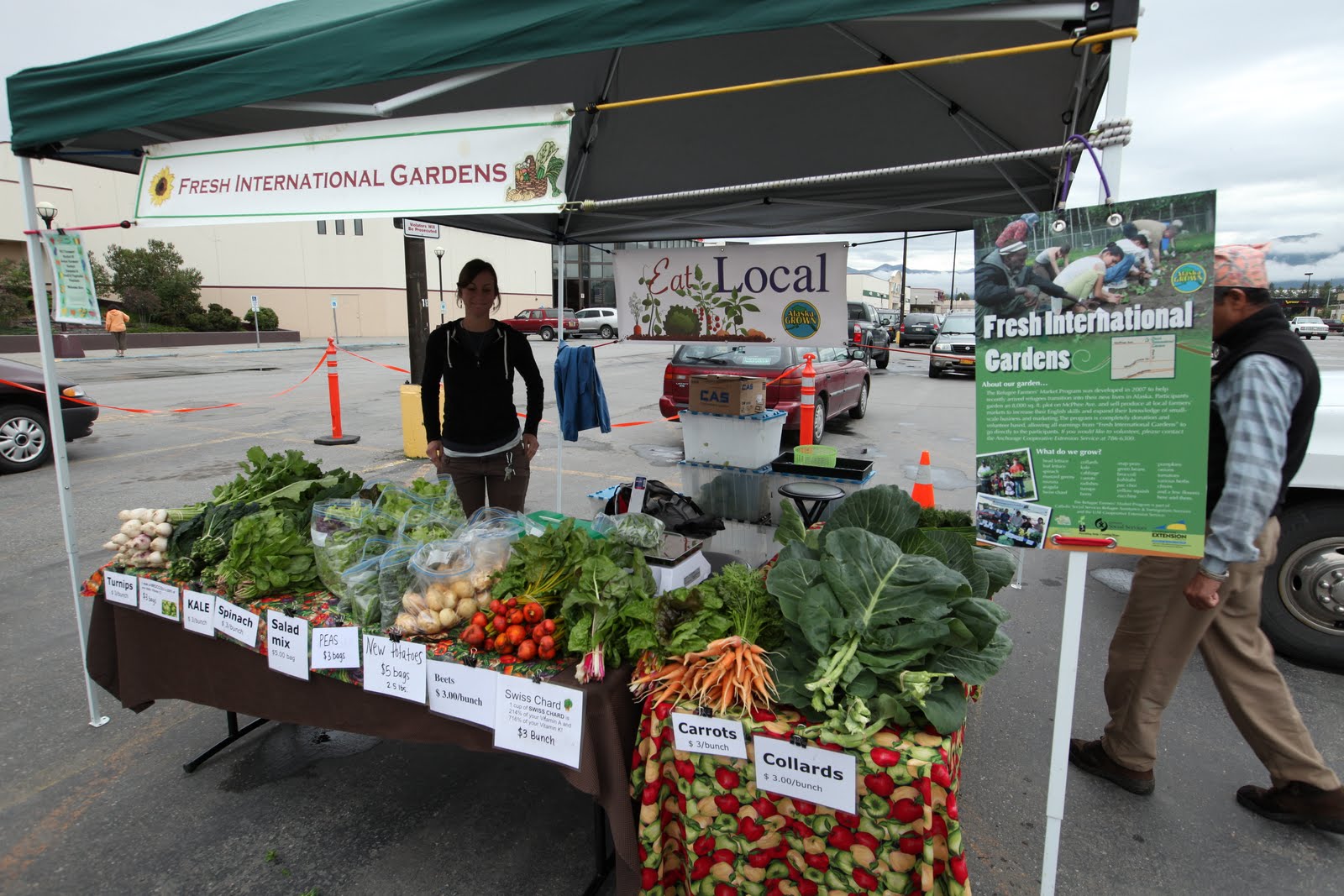
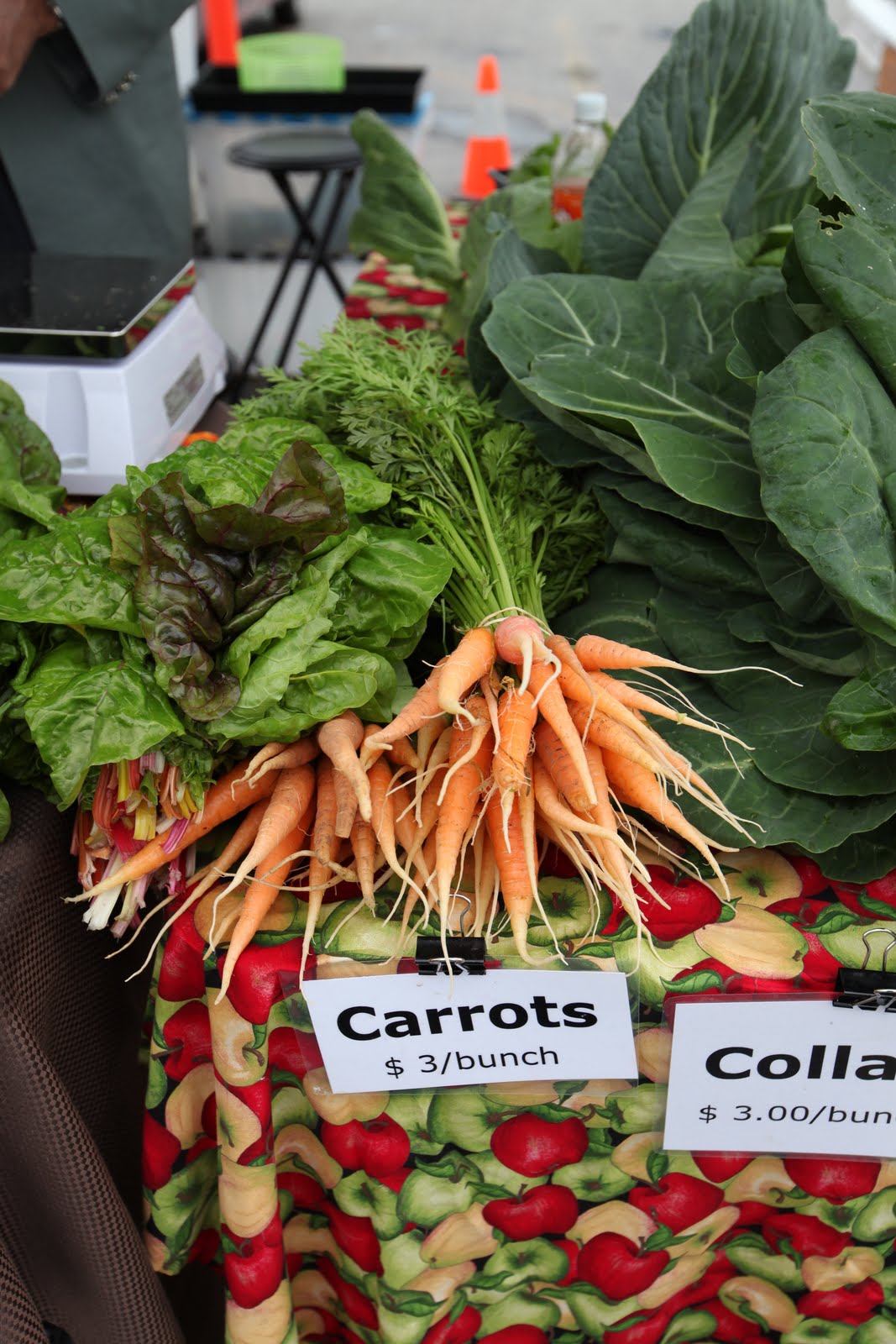
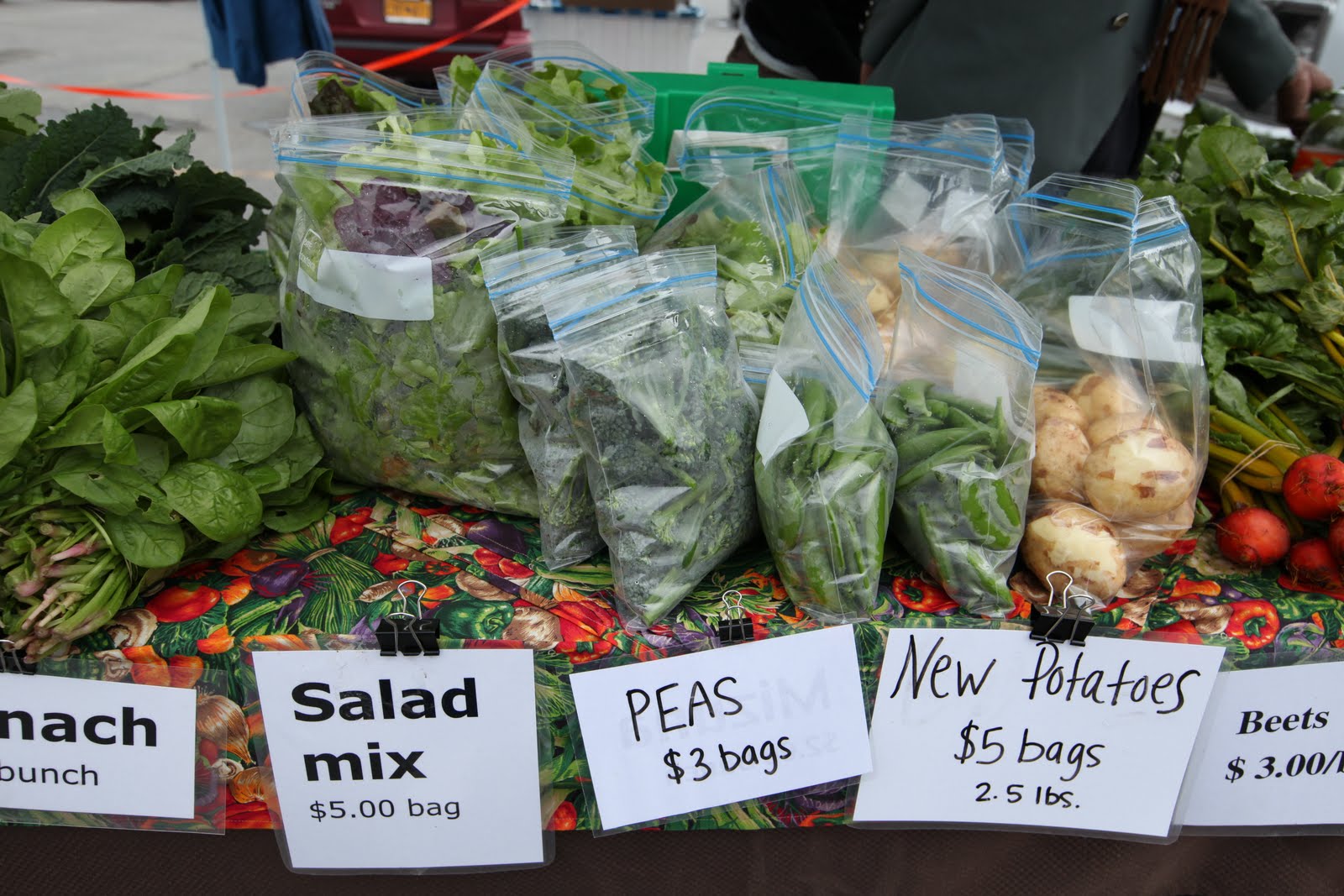
    But what really caught our attention was the “Fresh International Gardens” stand. It wasn’t their produce that stood out, although they had great produce, but the organization itself.

    “Fresh International Gardens” is part of the Refugee Farmers’ Market Program, which was developed in 2007 by the Catholic Social Services Refugee Assistance and Immigration Services (RAIS) and the University of Alaska Fairbanks Cooperative Extension Service. This program helps refugees resettle in Alaska by working on a community garden where they can sell their produce at the farmer’s market. It allows refugees to learn business skills, practice English, and earn a supplemental income while gaining a sense of community. It’s a great transition for the refugees as a majority have a long cultural history of agriculture. The program is funded by donations and volunteers so all proceeds go directly to the gardeners.

    This year refugees are from Bhutan and Nepal. At the market, we met 2 Nepalese gentleman and Kelly Ingram who was part of Americorps VISTA and was managing the garden. After talking with them a bit and picking up some potatoes, we exchanged emails so we could volunteer at the garden to see more of the project in action.

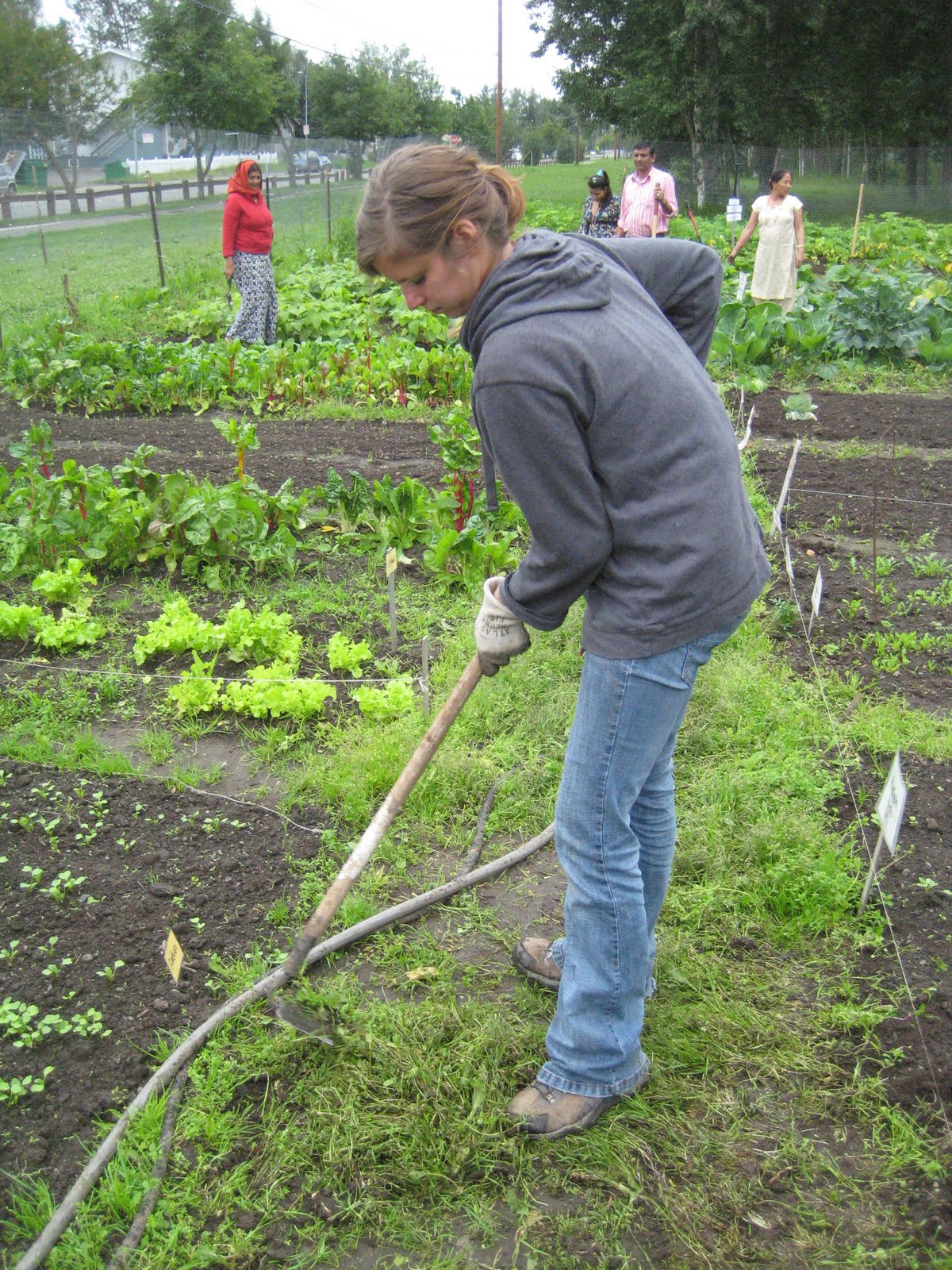
    Kelly and I showed up to the 8,000 sq. ft plot on a Friday afternoon. There were about 10+ refugees working on controlling the weeds at the time. Some others we’re planting lettuces. Kelly Ingram greeted us and gave us some gloves to get to work. We pulled some weeds and harvested some potatoes for a few hours until it began to rain… Before leaving, the refugees worked out their schedules for the upcoming week with Ingram and we said our goodbyes.”

    Yours in adventure, Marty and Kelly

    Posted in On the Farm | Tagged , , , , , , | Leave a comment

    What’s the Difference: Beets

    Beautiful beets are piled high at Seattle farmers markets this week.

    Here’s some nice bright ones from Local Roots Farm, at the Queen Anne Farmers Market! Did you know beets came in all those colors? Or did you think they were just those slimy red things that come in a can? That’s what I thought, for a long time. And then I figured they were just too darn hard to cook, and who knows what to do with them anyway, besides tuck them in the corner of a Greek salad behind the feta?

    Of course there are tons of things you can do with beets, they are not hard to cook, and there’s lots of different kinds (that’s the point of this post, after all), so let’s get down to business and figure out how to use our different types of beets!

    I bought two types of beets from Stoney Plains Organic Farm at the Phinney Farmers Market this week. Chioggia and Cylindra beets.

    Chioggia!

    Cylindra!

    Aren’t they pretty? I asked the nice fellow at the Stoney Plains Organic Farm stall what’s what with these two types of beets, and he told me that the Cylindras are sweeter and the Chioggias are prettier.

    So, I took my bunches of beets home and sat down to do some research.

    According to The Kitchn and Worldwide Gourmet, Chioggia beets are an heirloom variety, sometimes called Candy Cane beets or Bullseye beets because they have a pretty striped red and white inside (which you’ll soon see!) This beet comes from Chioggia, Italy, a coastal town near Venice, and has been around since the early 19th century. Chioggia beets can be used in all sorts of recipes, roasted, boiled, etc, but since the nice stripes fade when cooked, they look better raw. However, I don’t really like raw beets. So, I decided to make beet chips! Using Lemon Basil’s beet chip recipe!

    The inside of the Chioggia! So I peeled all these guys, sliced them thin, dunked them in boiling water (which I think is what preserves their stripes), tossed them with oil and salt, and laid them out in a baking sheet. This is what they look like before baking:

    So pretty!

    This is them after slow baking at a low temperature:

    Less pretty, maybe. But still stripe-y! Pretty tasty, too. Could be crunchier, but I think they needed to be sliced a little thinner.

    Anyway, the cool thing about Chioggia beets is their pretty colors, which, like other pretty colored food, can be hard to preserve when cooking. However, they also taste really good, so even if you lose some of the wow factor when you cook them, they are versatile and tasty in lots of recipes. I saved a few for roasting alongside my sweet Cylindra beets…

    Next up, Cylindra!

    So, I decided to roast this sweet beet for a salad.

    I wrapped these all up in tinfoil, like little beet spaceships, then popped them in the oven for 1 hour. When they came out, I let them cool, and then rubbed their skin off. It comes off really easily. And it turns your hands hot pink!

    Then I chopped them all up, and it was a good thing I roasted some Chioggia beets too, because I had a nice mix of pink beets and purple beets. I taste tested the Chioggias and the Cylindras side by side, and the Cylindras were a teensy bit sweeter …but not much. Both were pretty sweet. Which meant they tasted really good in this beet salad!

    Tossed with white vinegar/orange juice/orange zest/thyme dressing, topped with goat cheese, and served with Italian parsley -the sweetness really stood up to the acidity of the dressing and the woodiness of the thyme!

    So, there is a little difference between Chioggia and Cylindra beets, but not too much, taste-wise. Both are sweet, both can be roasted, baked, sliced, and boiled. It’s more about the history of the heirloom beets and their appearance. Candy cane stripes or rich purples! Beet that!

    Your Seattle correspondent,

    Lisa

    Posted in In the Kitchen (recipes & more) | Tagged , , , , , | 3 Comments